Hello to all and welcome!
I can't really say what you should expect to see here as I've never before tried blogging or anything similar. It'll have to be a work in progress. I'll probably talk about photography in general (and mine in specific) as well as point out different things that are going on that I find interesting or worth commenting on. If anyone (assuming anyone actually ends up reading this) has questions or suggestions on topics, feel free to let me know.
I'm here you're with me, here at the beginning of all things.
Roger
p.s. Comments and feedback are very welcome.
Iceland: Day 5 - Somewhat volcanic
NOTE: I'm only including a small selection of photos from any particular location in these travelogues. The full set of photos can be found here: https://www.pavellephoto.com/f498485929
Goðafoss
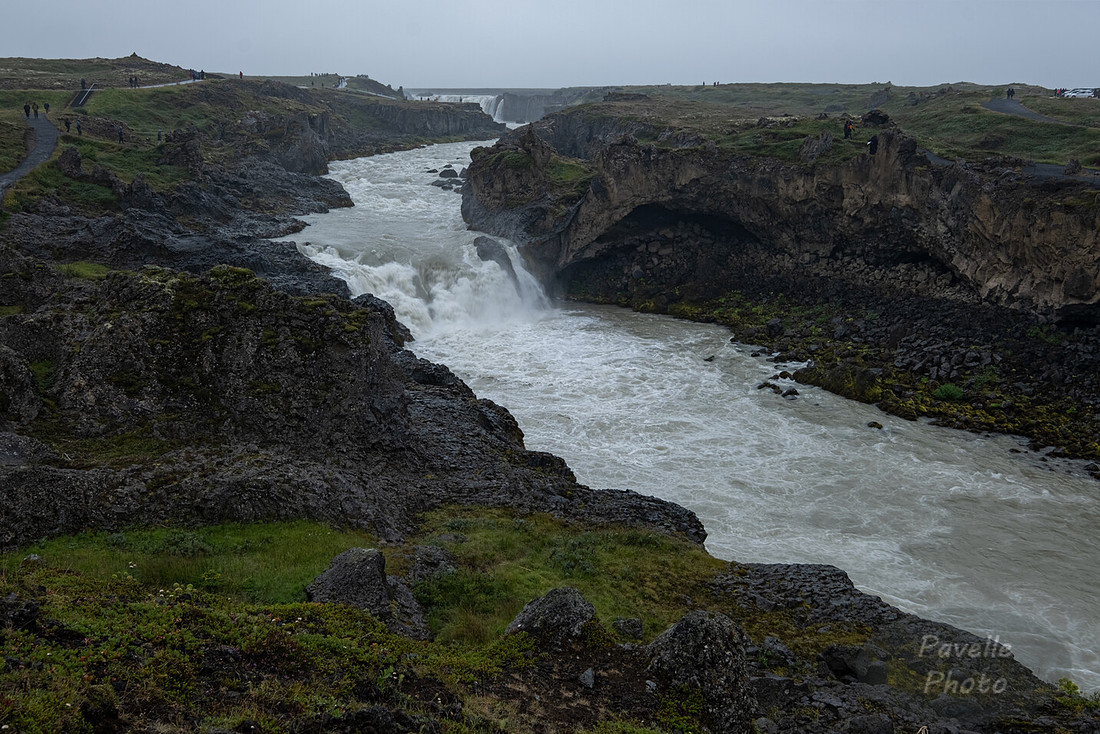
Day 5 started with the most miserable I was in the entire time we were in Iceland. When we reached our first stop, it was cold and drizzly. It quickly switched to rainy. Actually, it got so bad that, rather than trying to hit some of potentially more interesting views at river level, I instead went back to the nearby gift shop/cafe and got myself a winter hat (complete with puffins) and a hot chocolate. By the time I was done with that, it had cleared up to some extent, but there wasn't time to try some of those other views.
This first image is below the main falls, which you can see in the background.
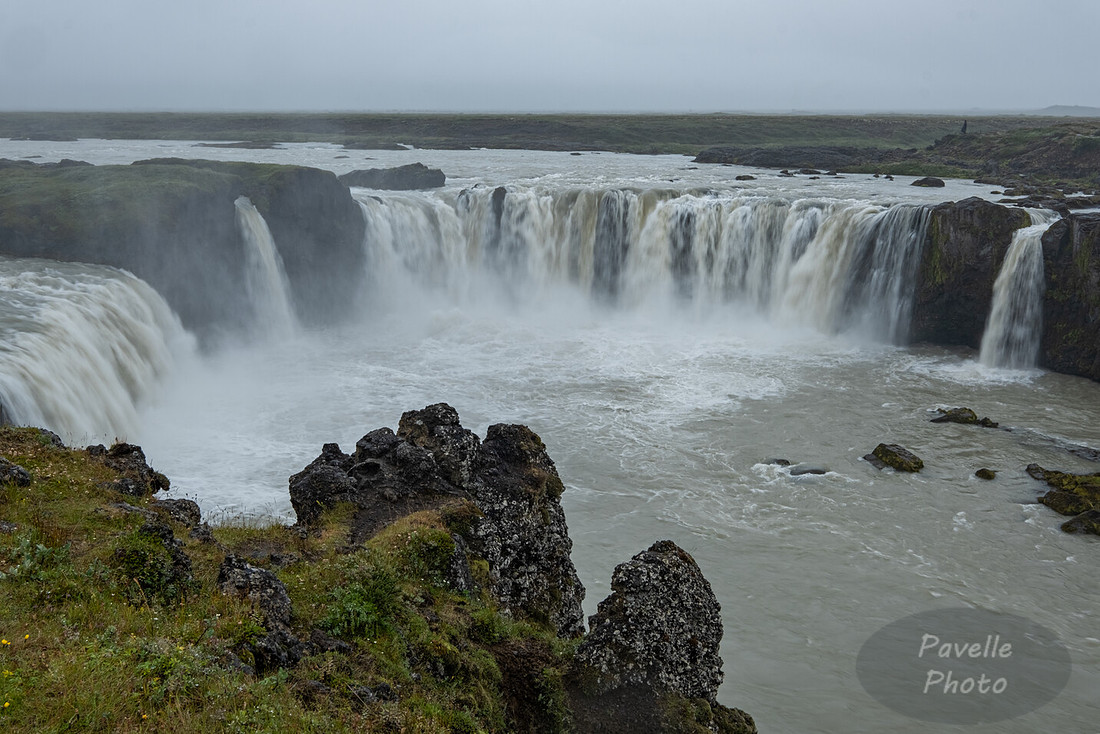
Here are the main falls, one of the most photographed (probably) in Iceland.
Skútustaðagígar
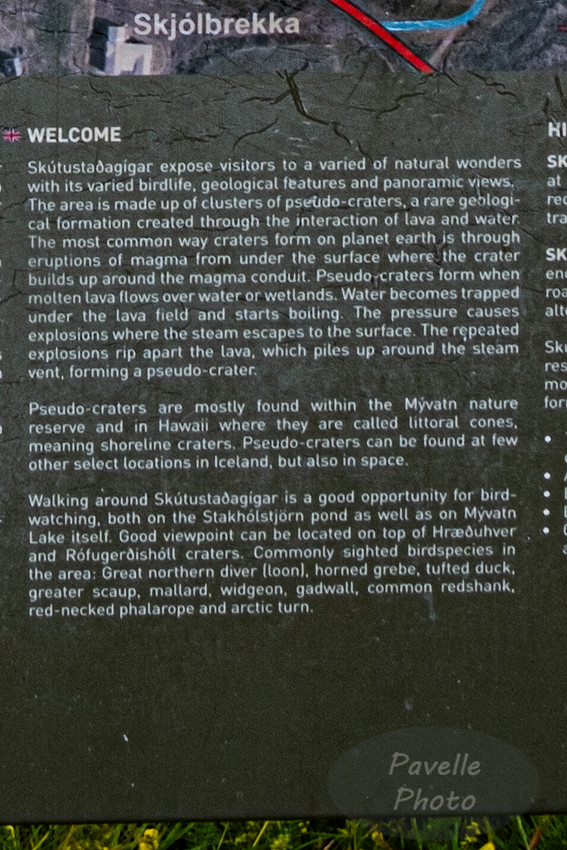
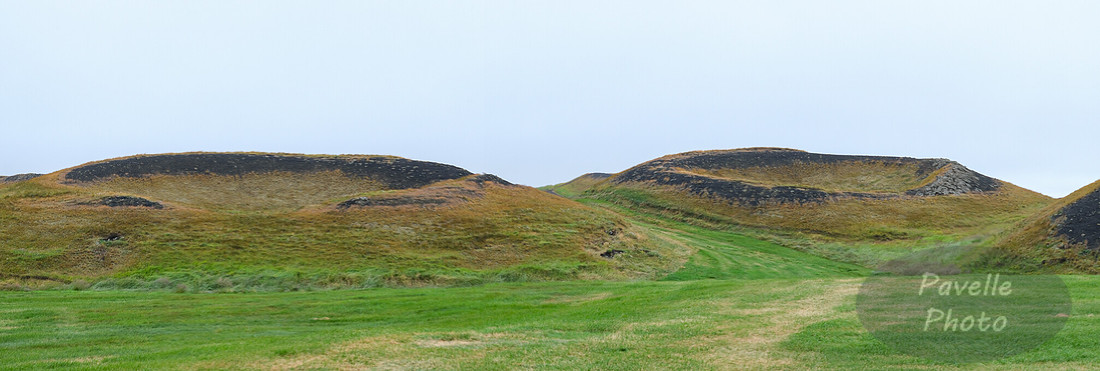
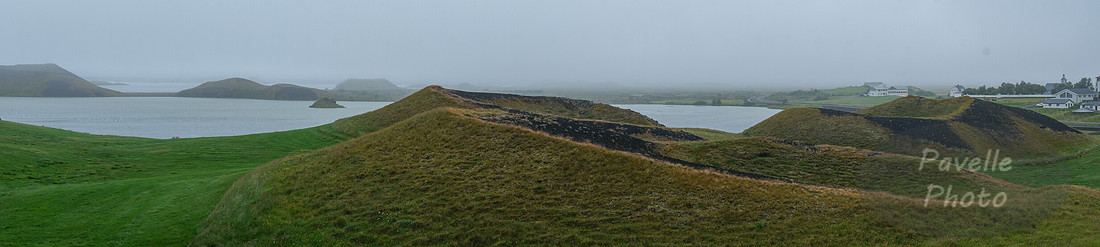
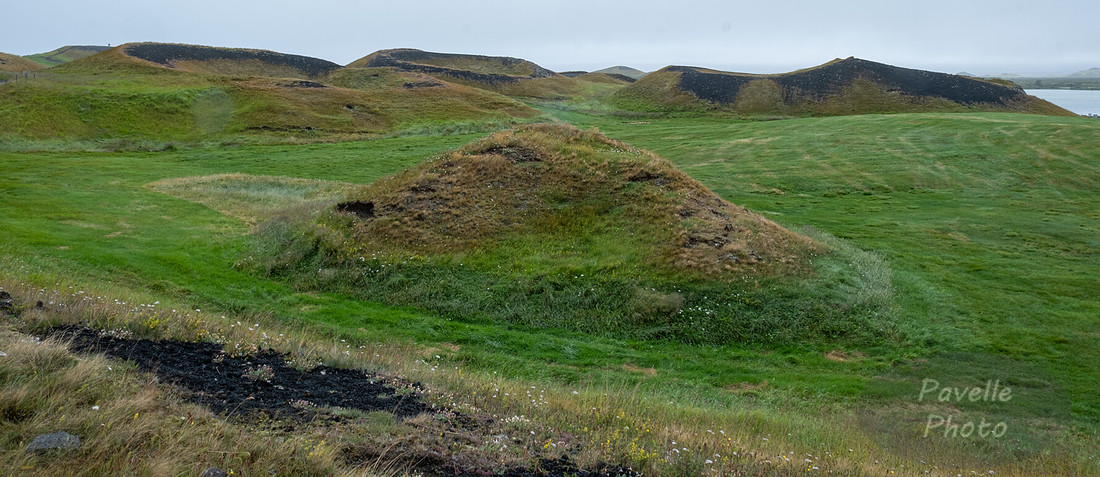
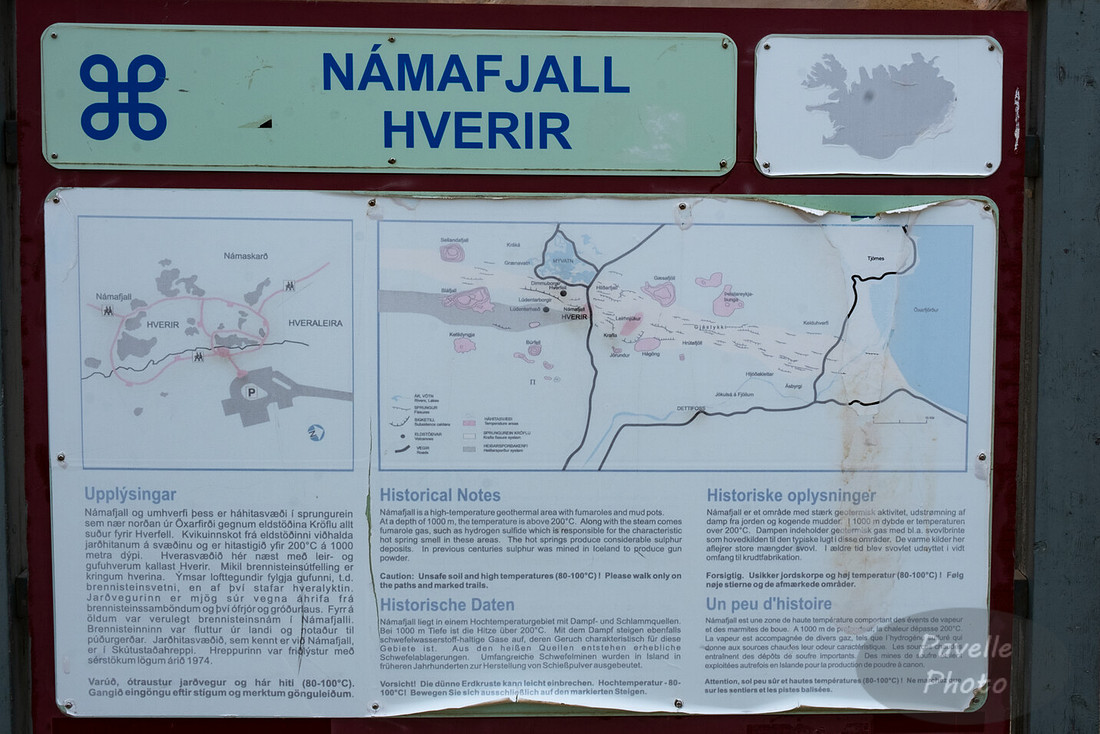
Read the sign. It tells you all about this location. Actually, that's a good tip whenever you travel. Take pictures of signs. They tell you where you are and what locals feel is important for you to know.
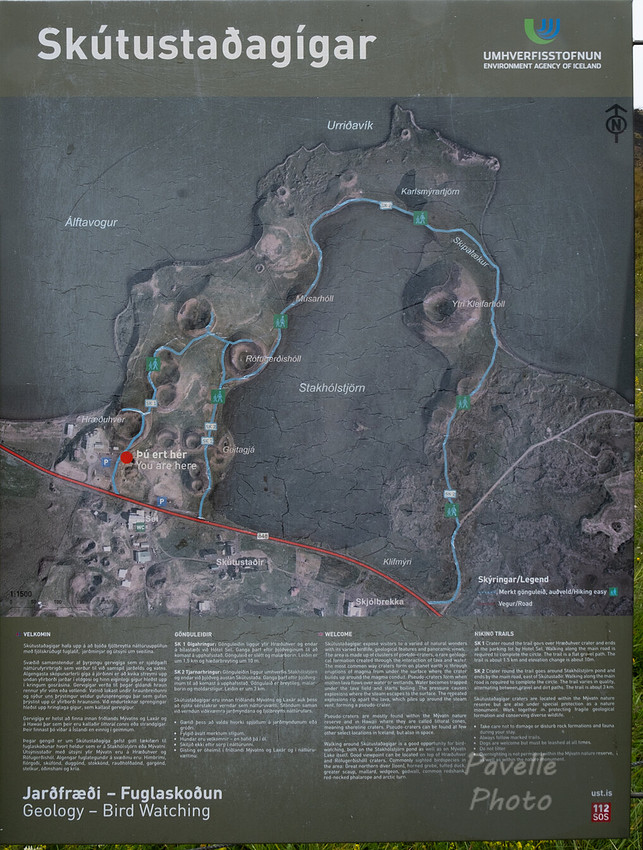

This is a cropped version of the above sign to make it easier to read the information.
Námafjall Hverir
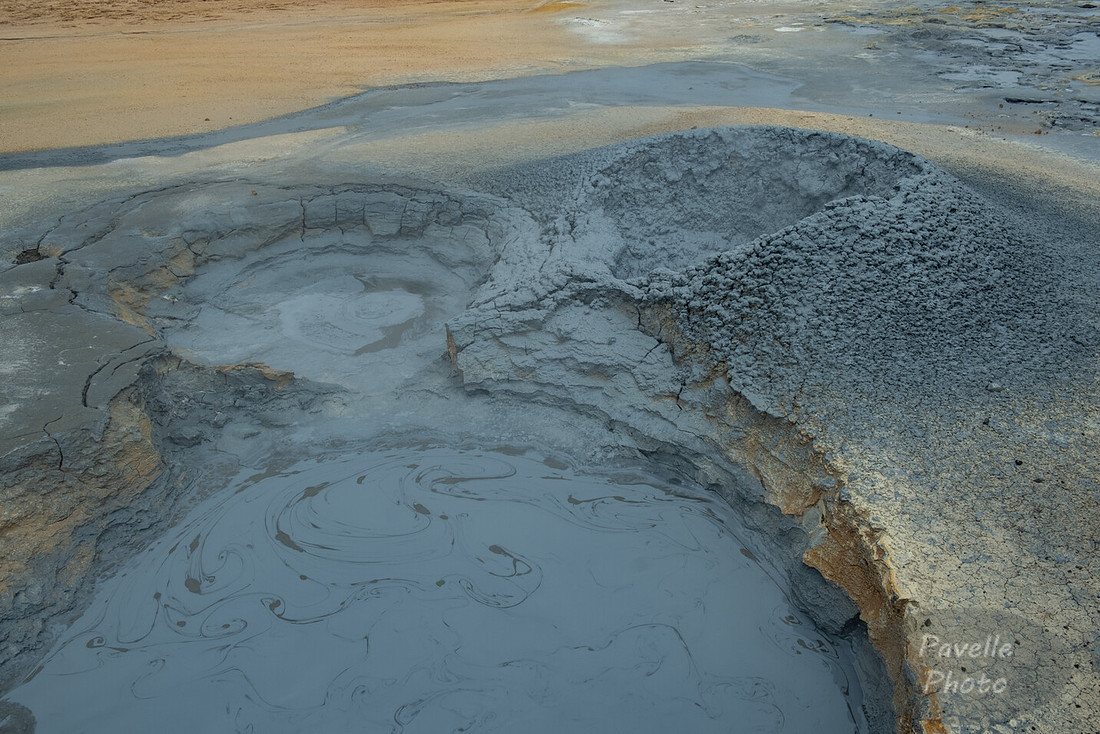
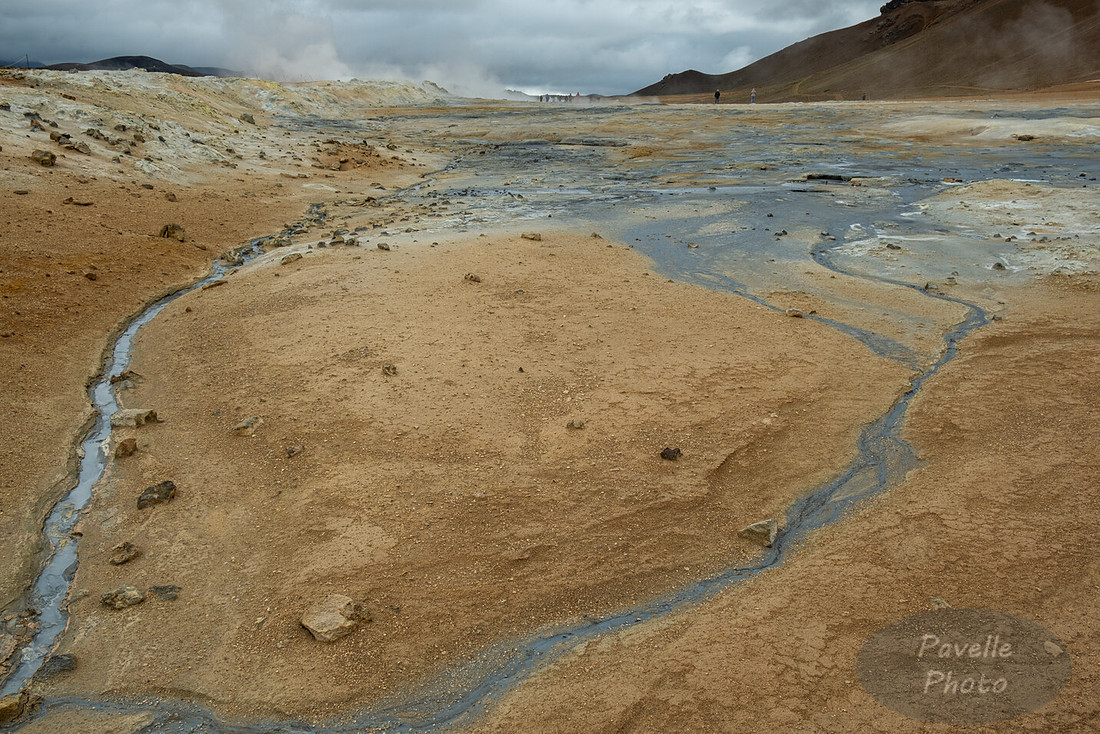
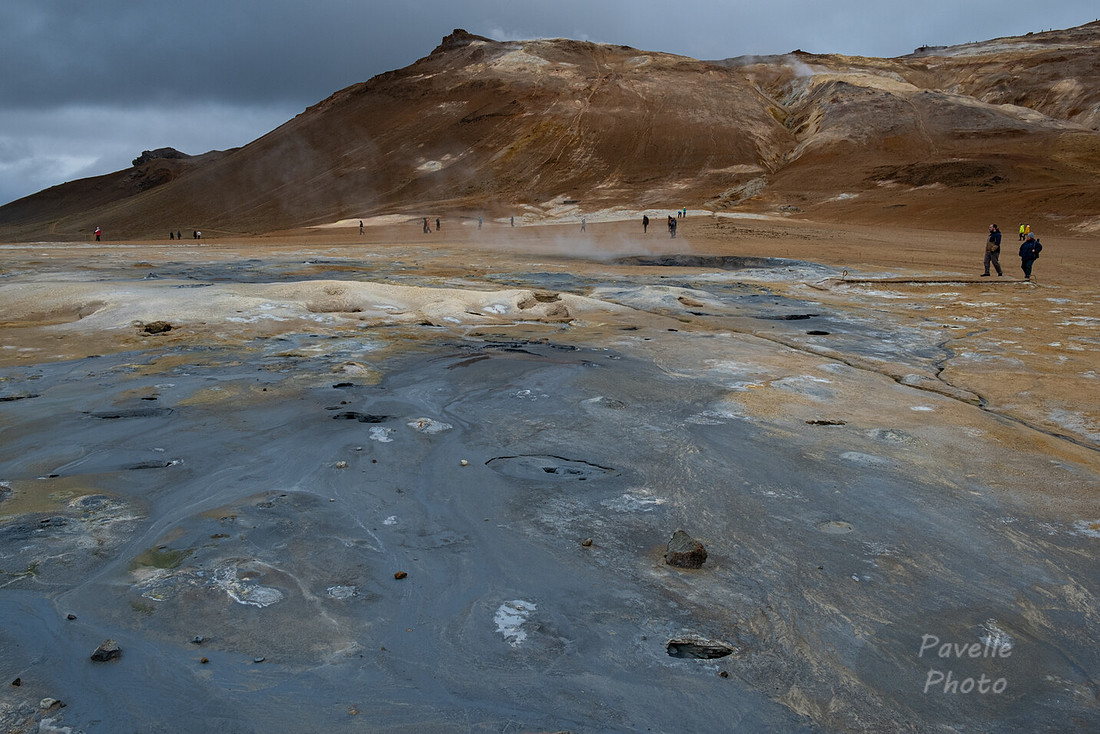
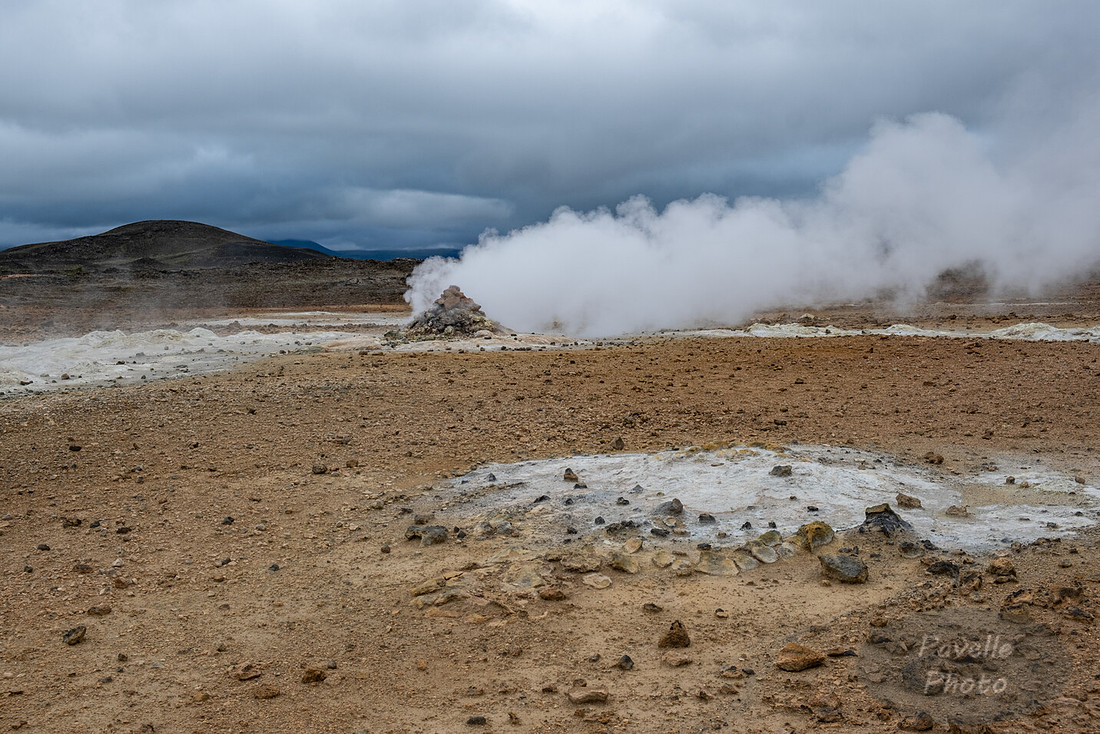
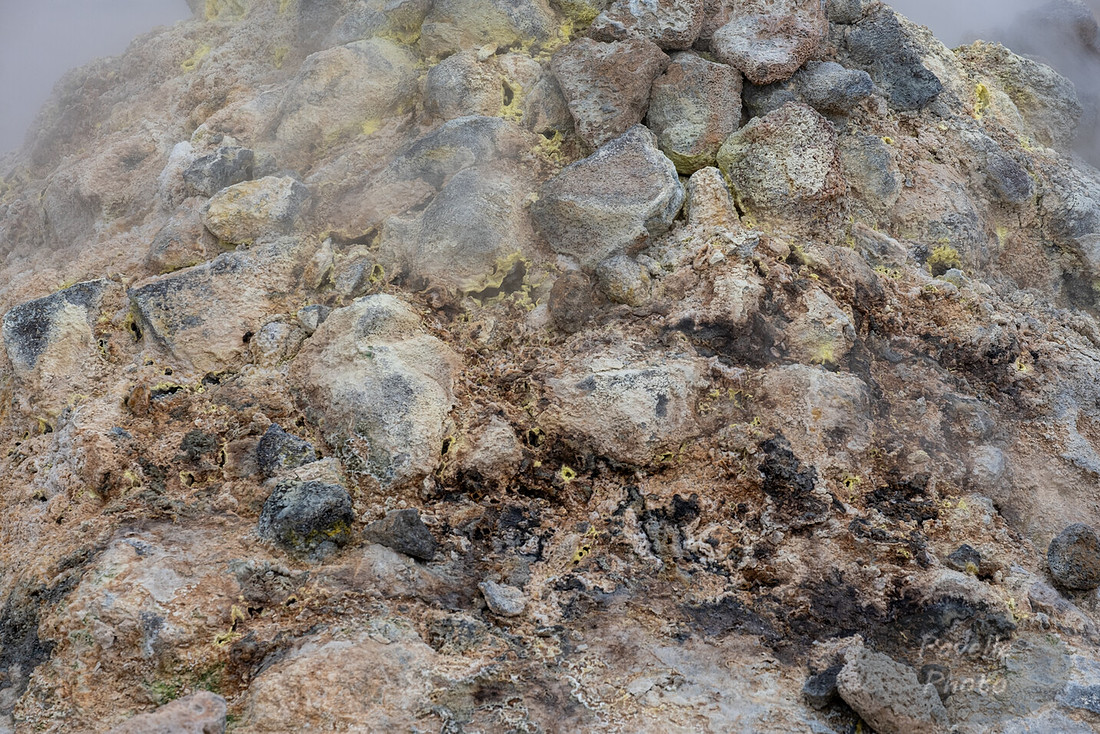
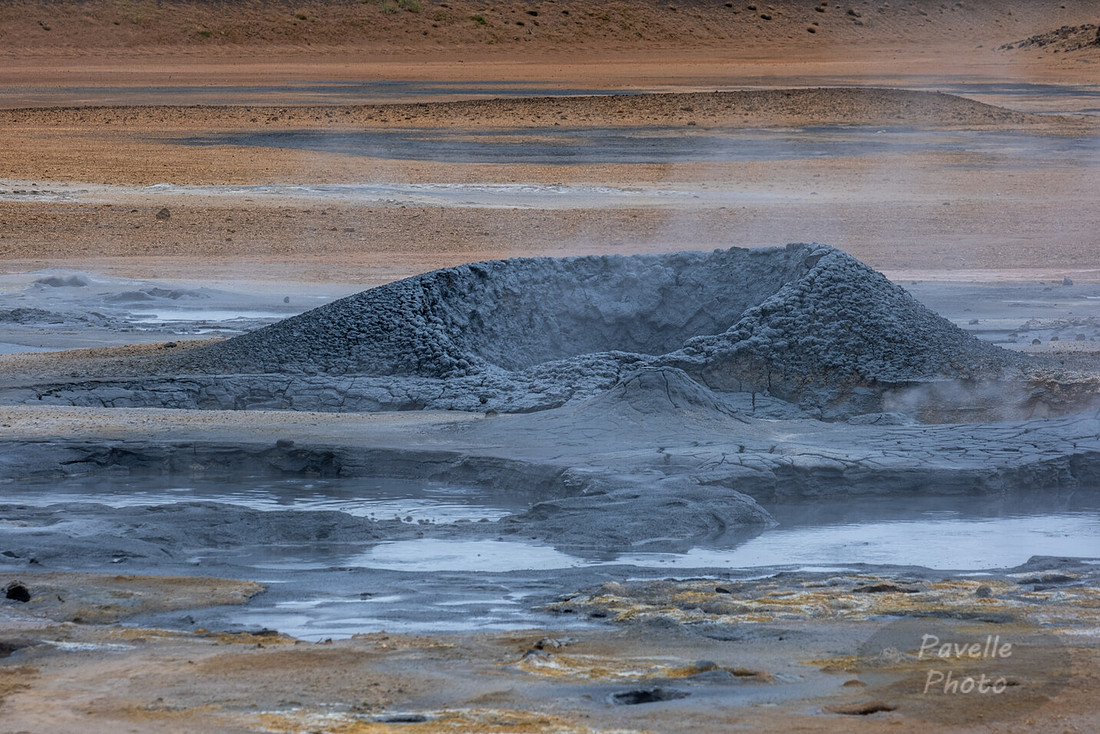
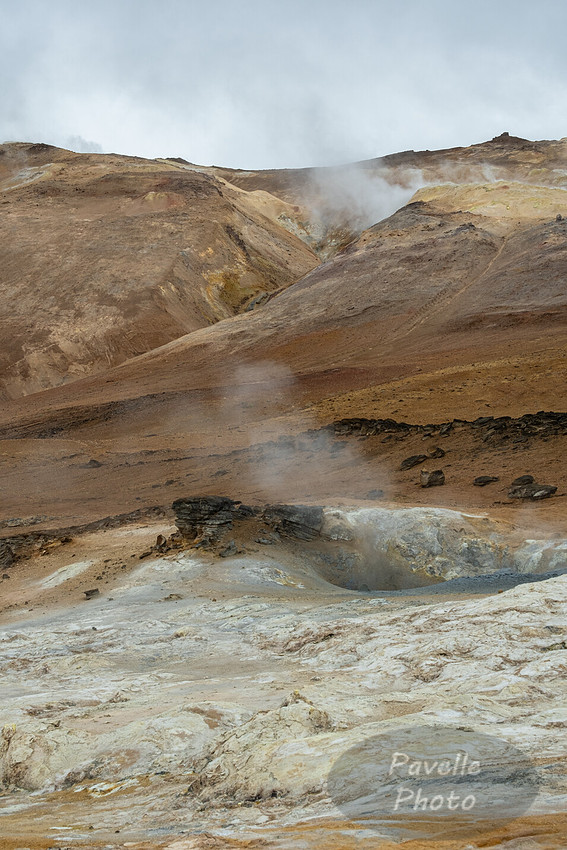
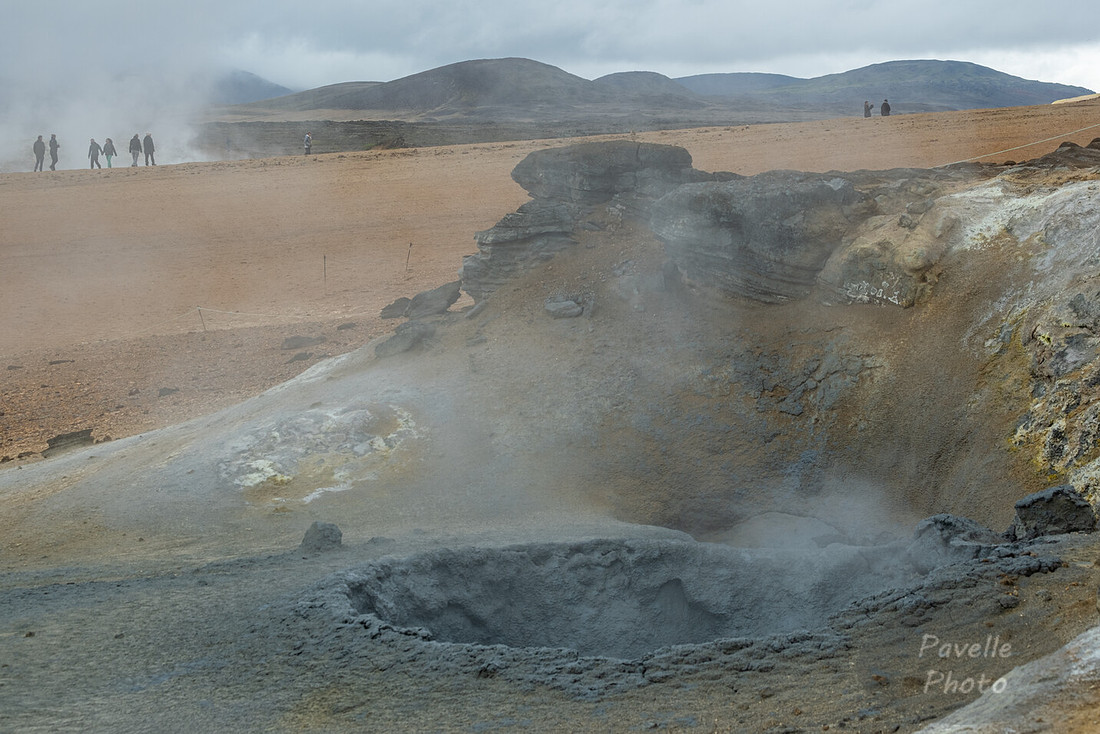
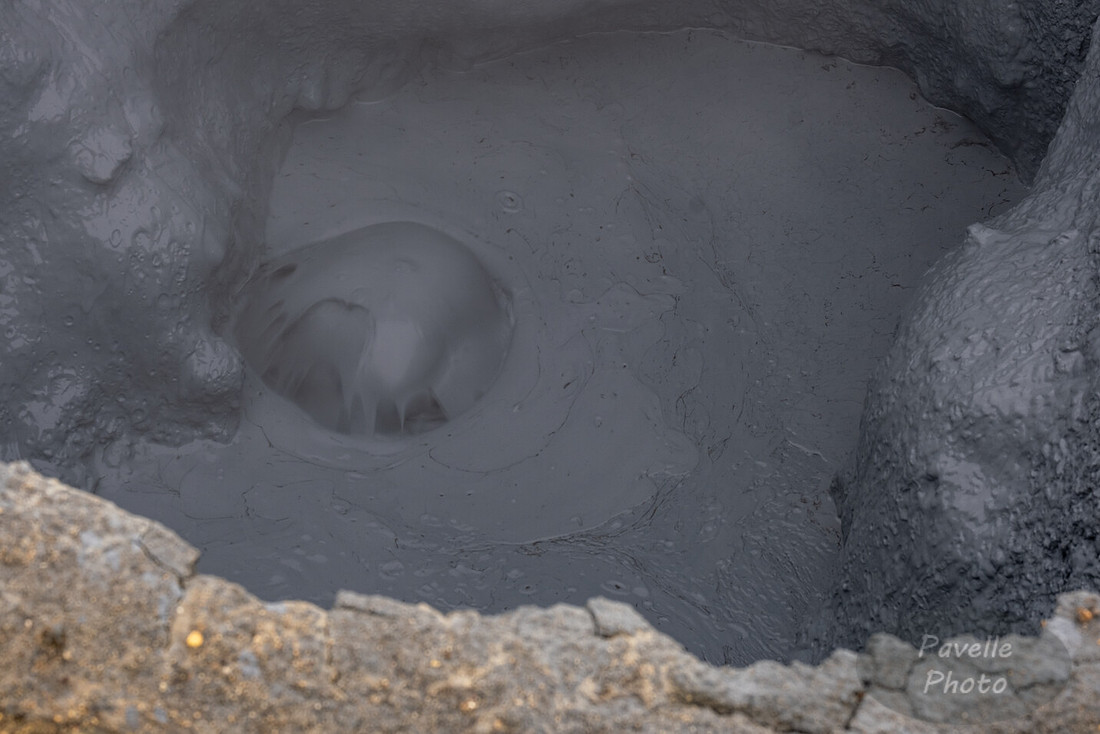
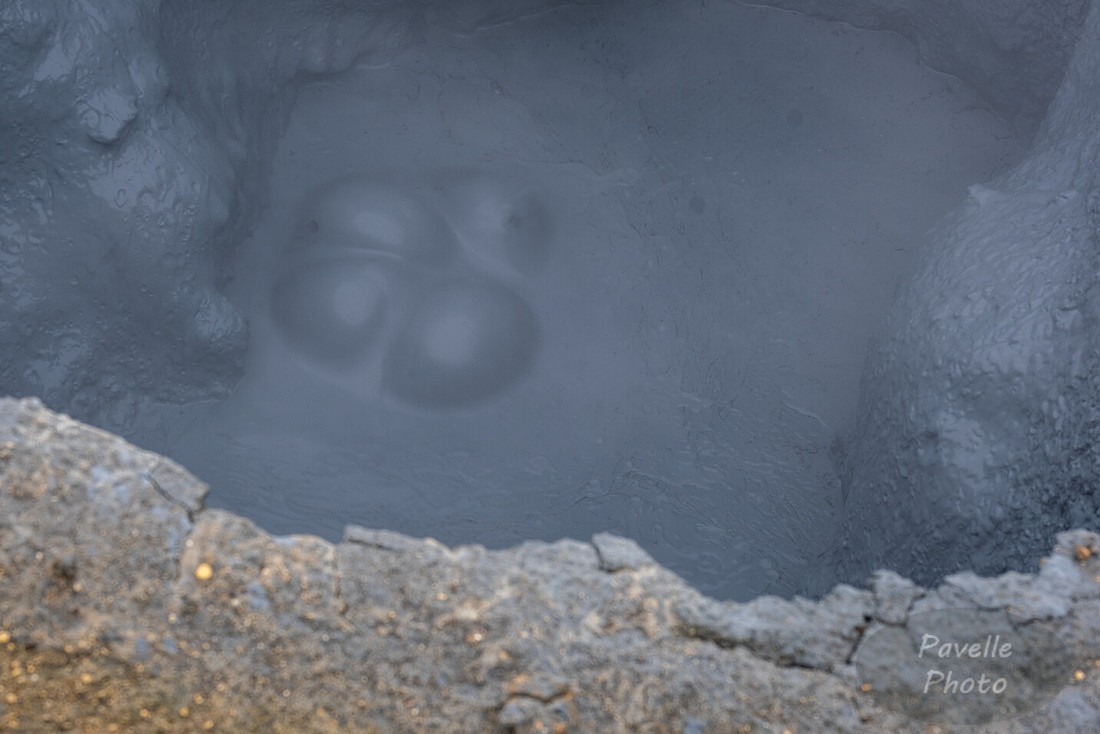
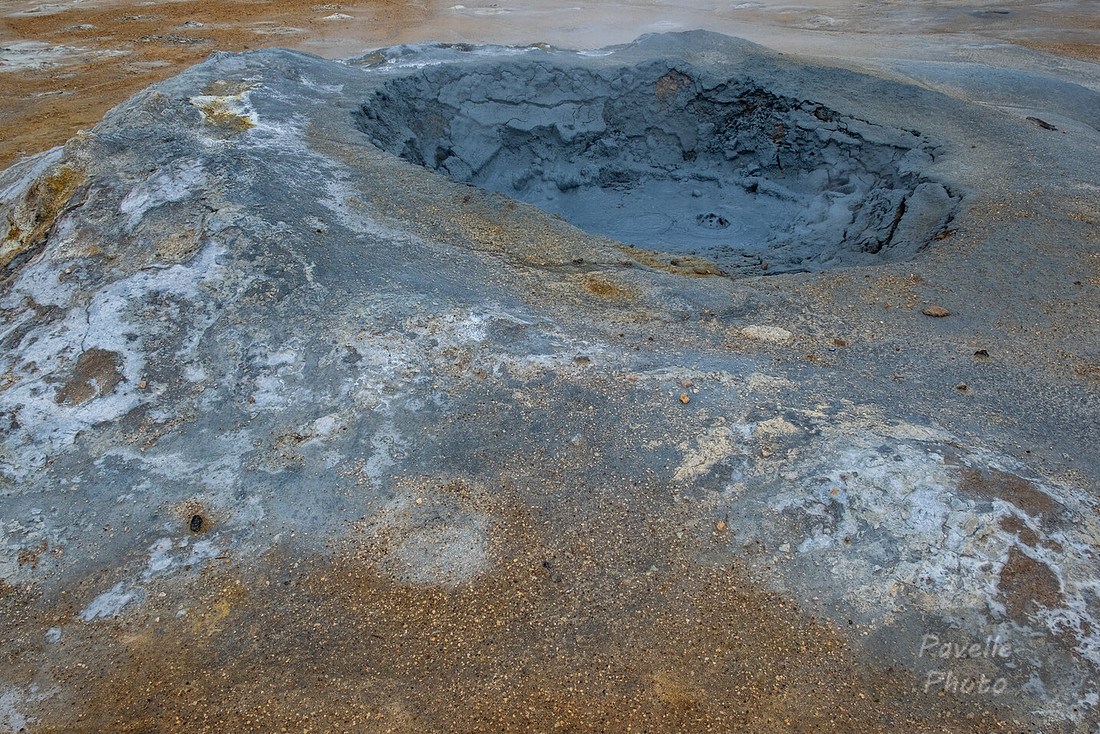
This is an other-worldly area. It's been decades since I was in Yellowstone, but my impression is that the two are similar in places and looks. Here, it's full of steam vents, mineral colored fields, mud pools, and the ever-present smell of sulfur. Actually, some of the mud pools you can see below are probably the same sorts that created the pseudo-craters seen above (in the first one after the sign, for example).
 Steam vent followed by a closeup.
Fjallakaffi
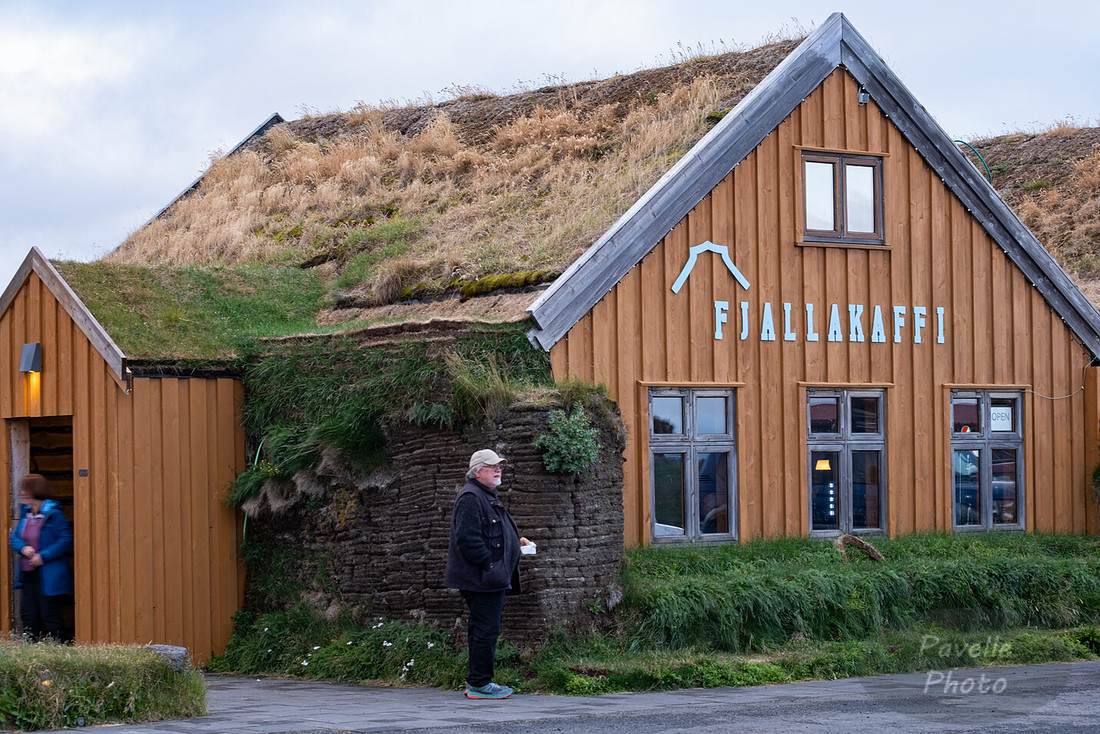
Here's one of the places we stayed. You can see the traditional turf roof and several of the animals wandering around. There used to be an arctic fox that wandered around, but it died in the last year.
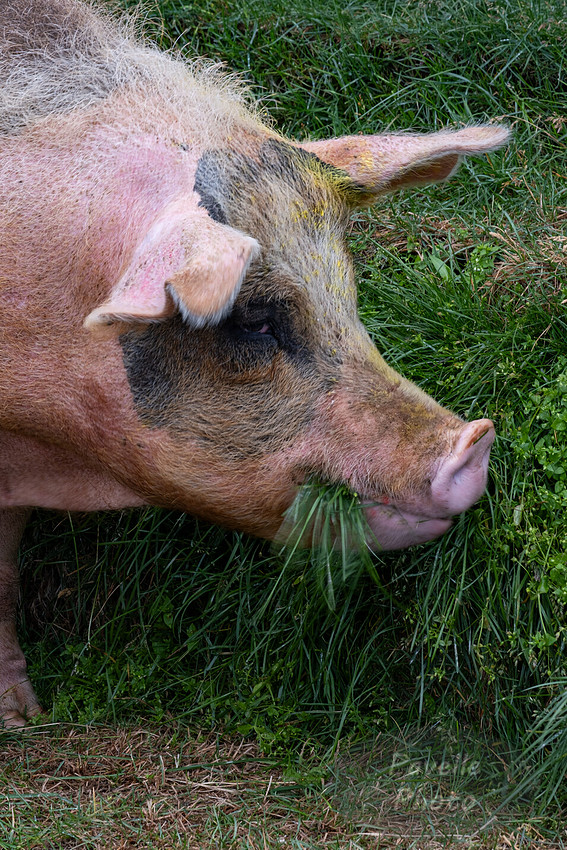
The pig is munching down on the grasses next to the building.
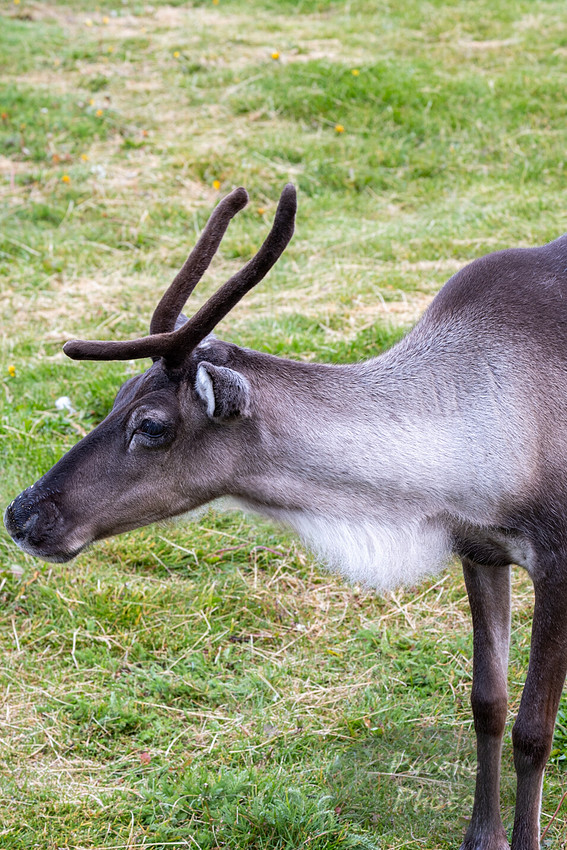
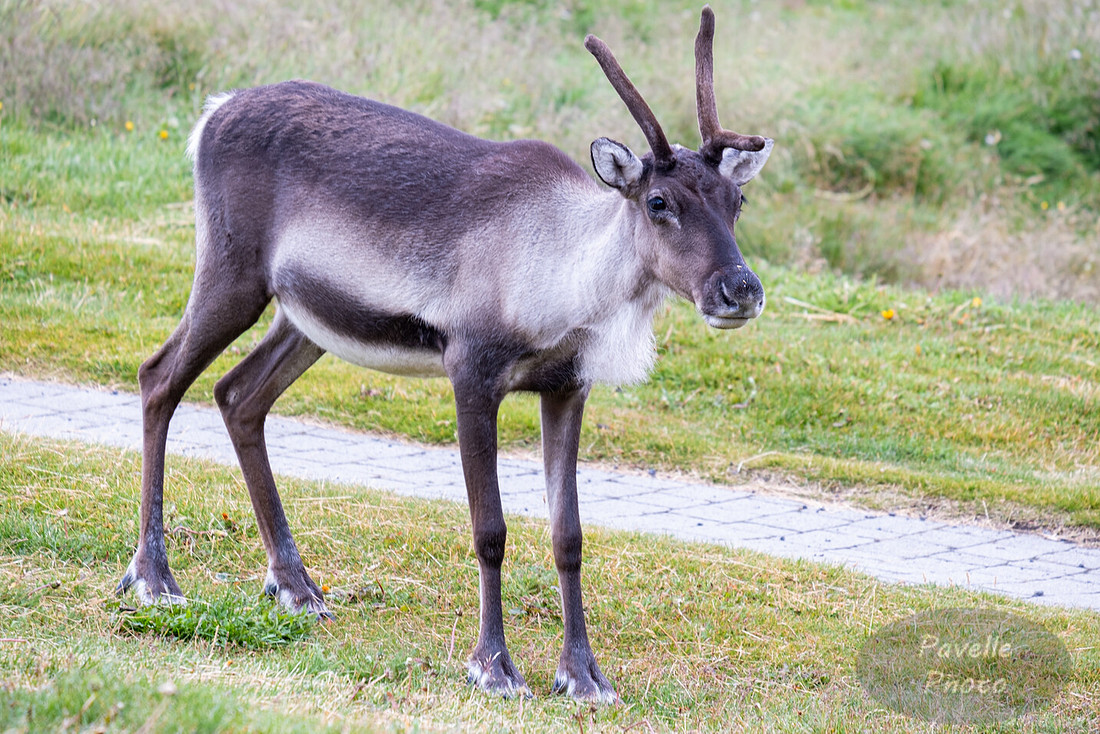
Here's a juvenile reindeer. They are actually the same species as caribou and were brought to Iceland around the time of the American Revolution, but for some reason only survived in one small part of the country.
Iceland: Day 4 - Stopping along the way
NOTE: I'm only including a small selection of photos from any particular location in these travelogues. The full set of photos can be found here: https://www.pavellephoto.com/f498485929
Day 4 was spent traveling North and East. It was a long drive, broken up by several memorable stops.
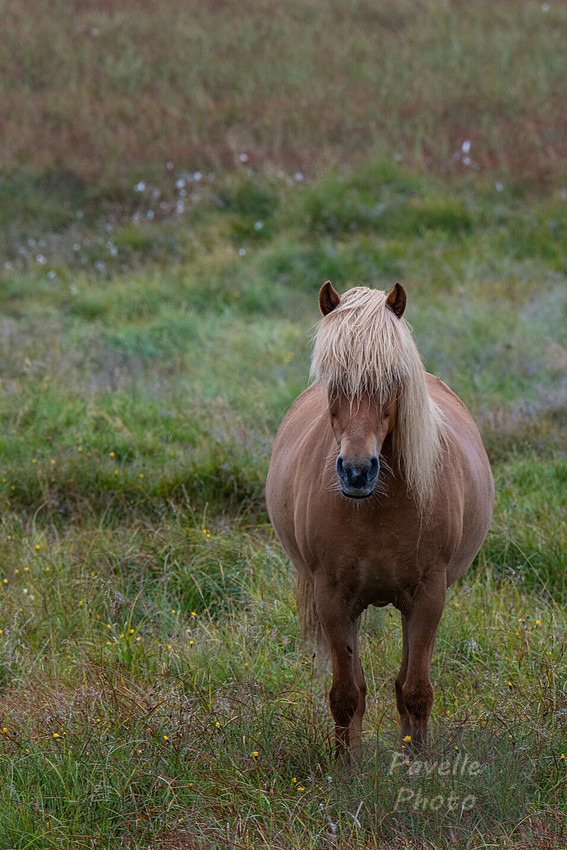
ICELANDIC HORSES
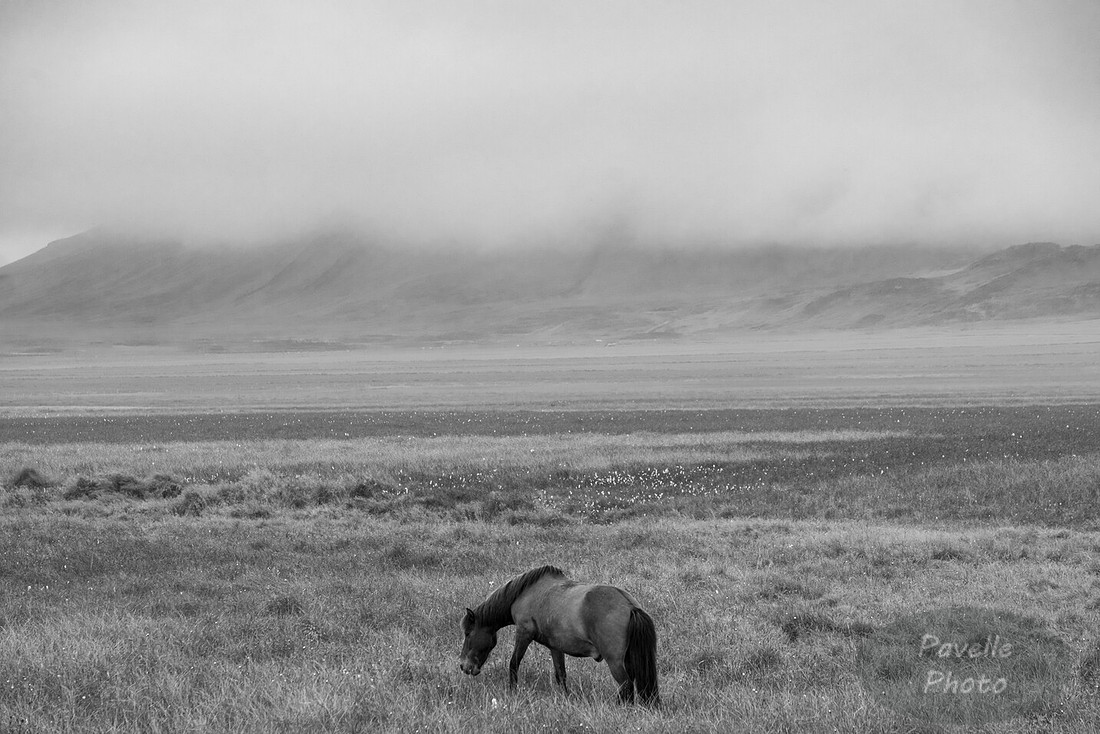
Icelandic horses are a unique breed. Before cars were brought to the island (and therefore roads were subsequently built...and yes, it happened in that order), horses were the primary way people traveled around the country. They are left to wander free during the spring and summer, then rounded up and used to help round up the sheep (that are also left to wander free).
Upon spotting this small herd, we stopped by the road and got ready to shoot. Sure enough, they wandered up to the fence next to us asking to be pet or maybe get a treat of some sort. You can easily see that the weather hadn't improved much from the day before, but at least it wasn't raining.
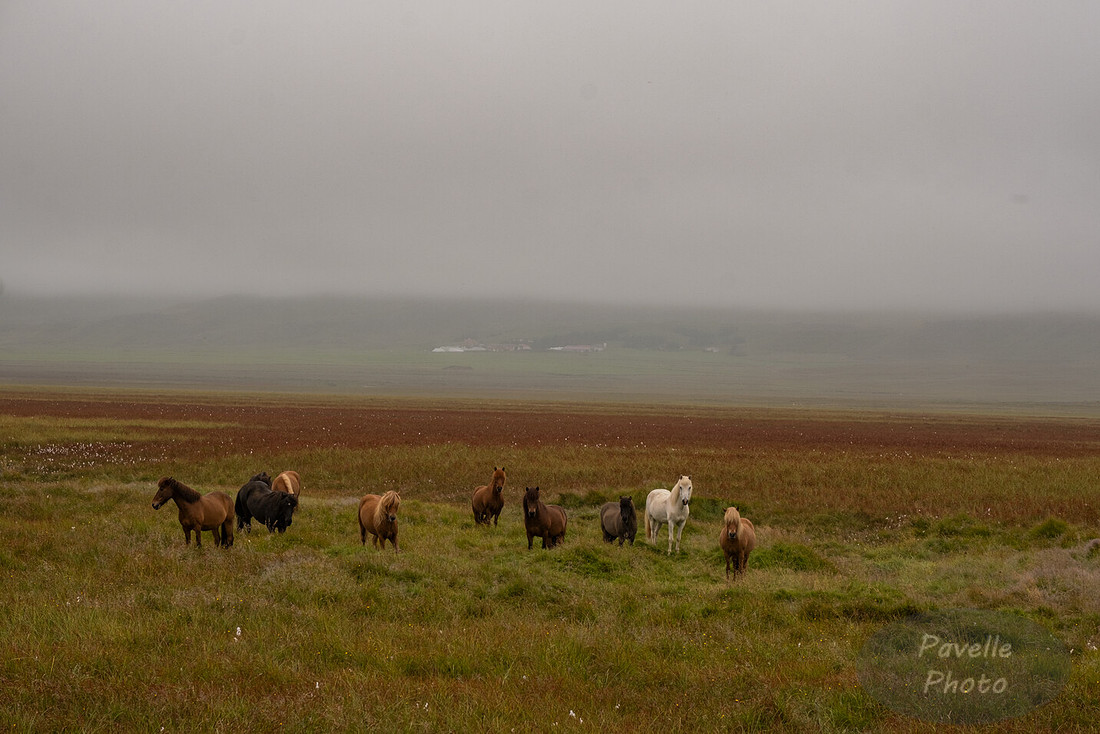 Obviously, this is the disaffected teen, right down to the hair in its eyes.
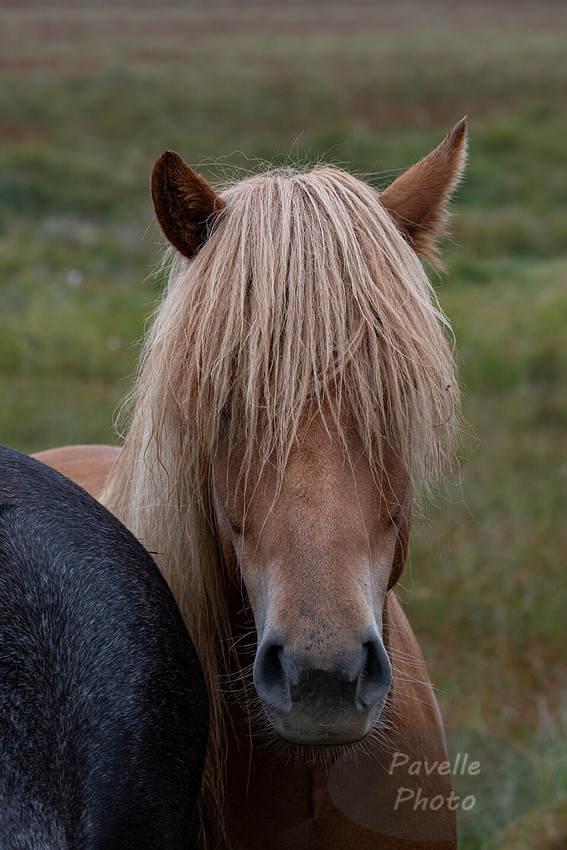
I really love the eyelashes.
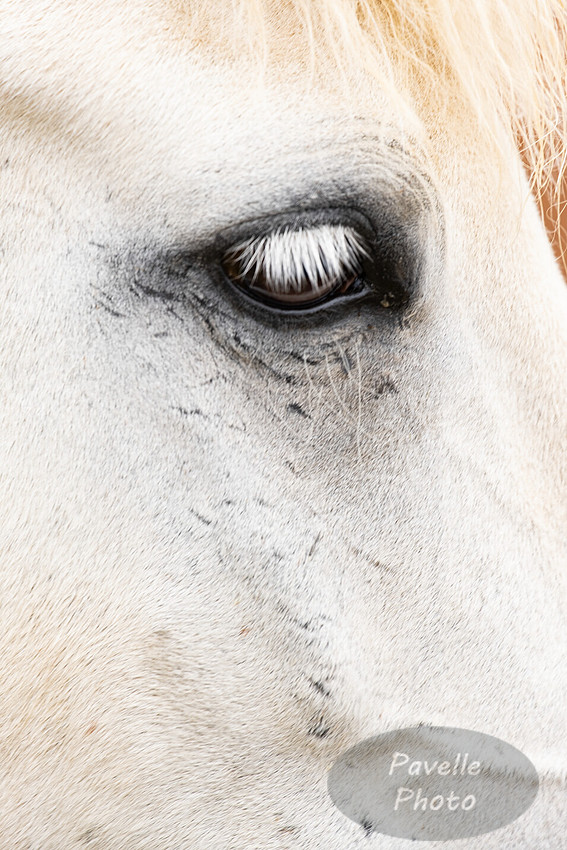
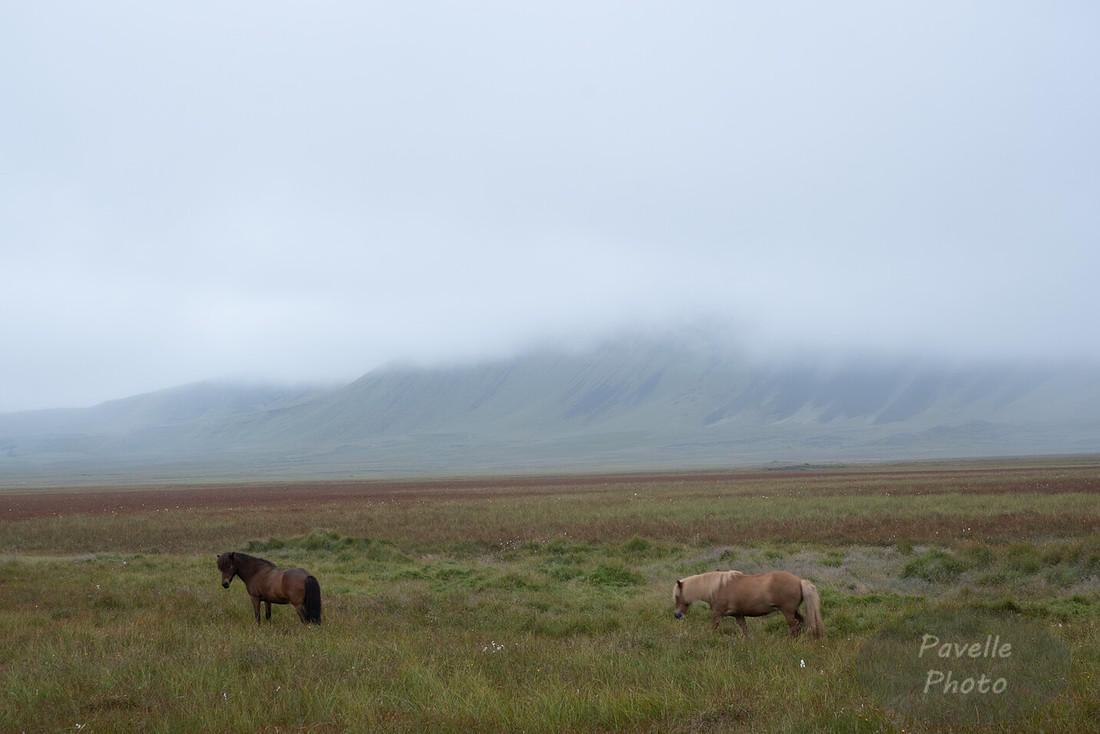
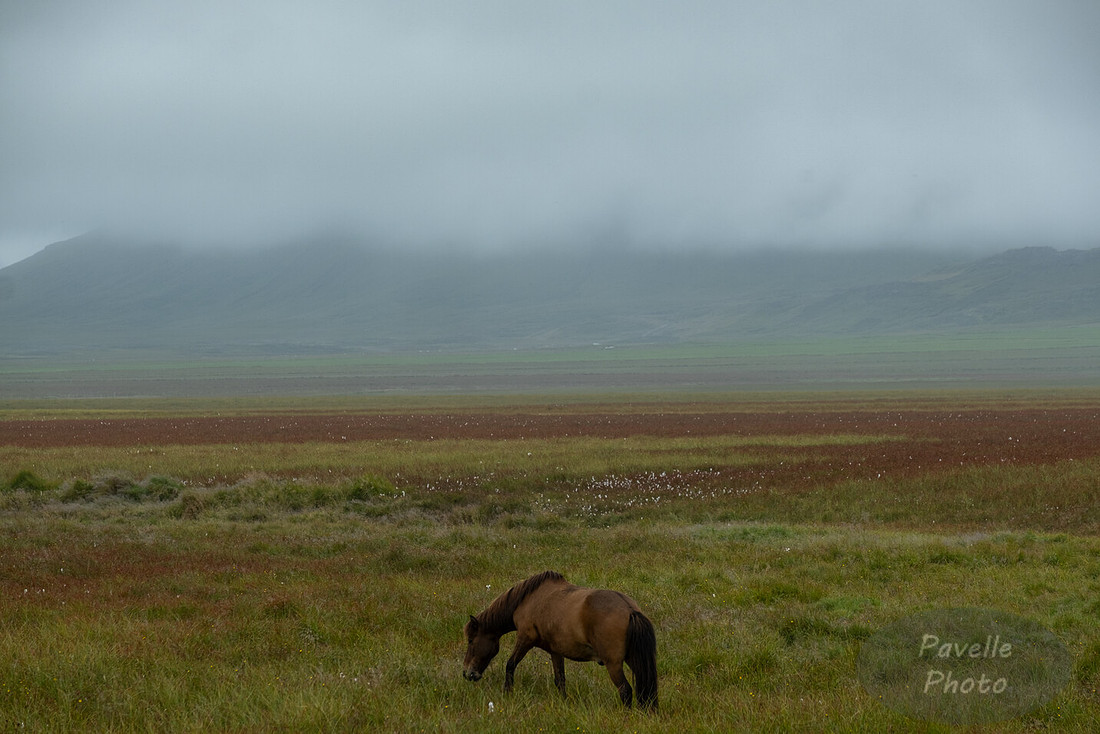
I wouldn't have thought to convert the one below to black and white if one of the other people on the trip hadn't posted one of theirs. I kinda like it.
LAVA FIELDS
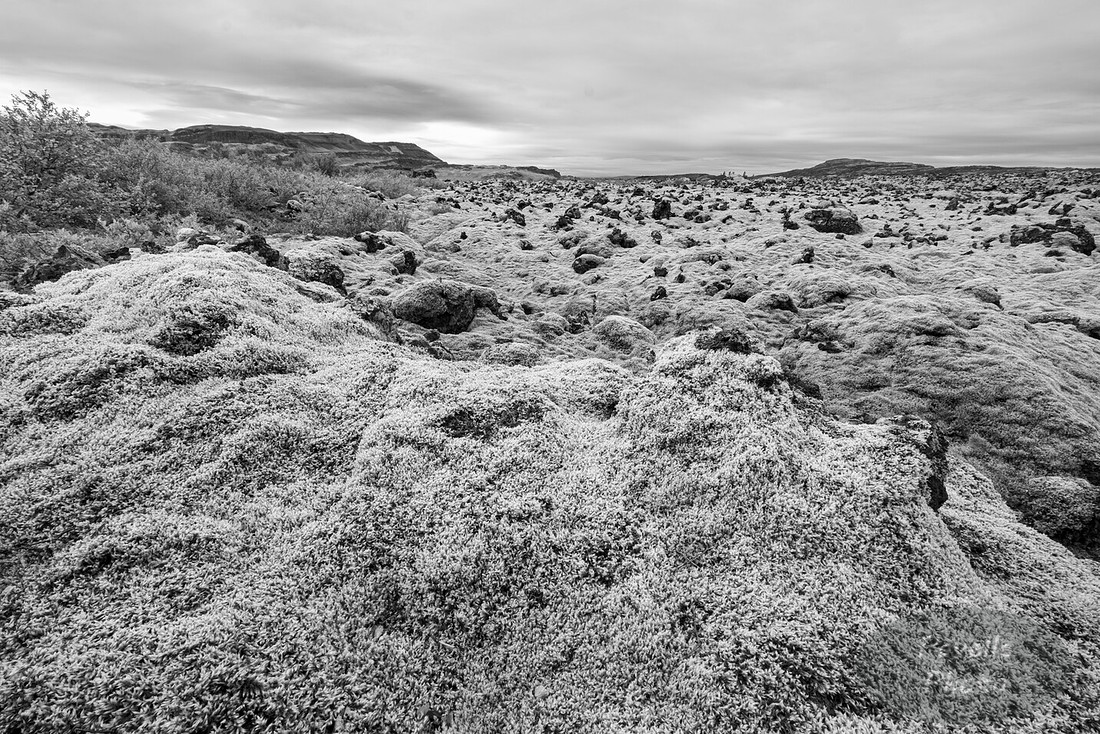
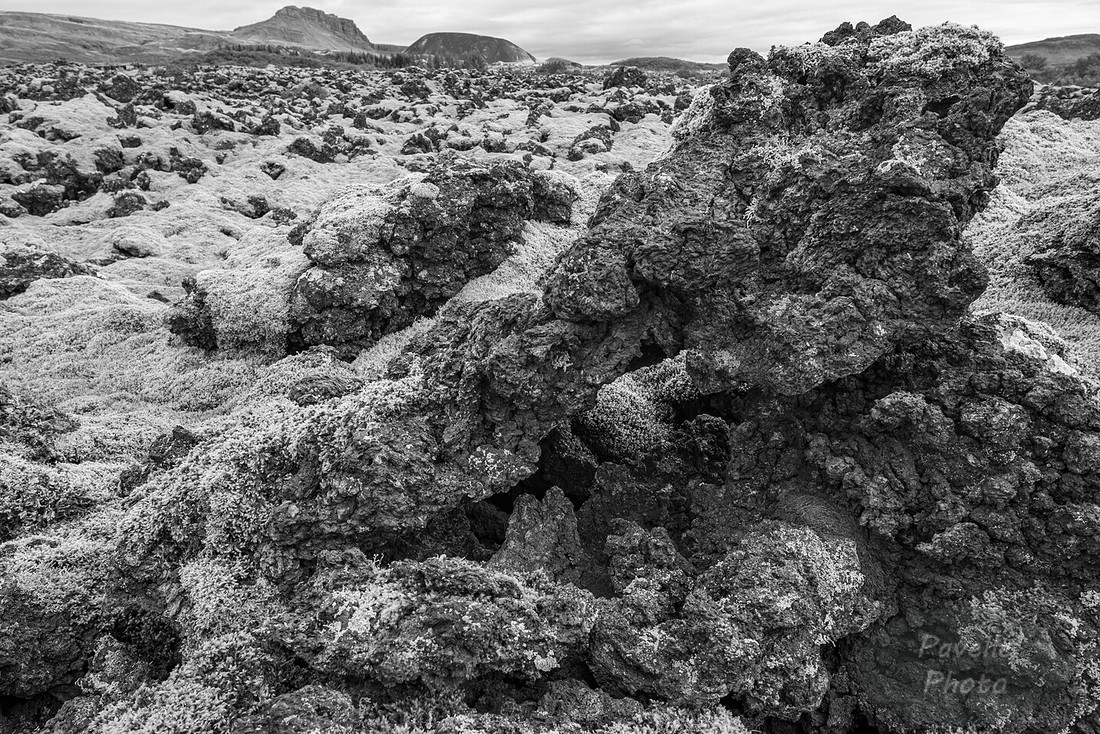
Earlier today, a friend asked me what was the most memorable thing about Iceland. My response was the landscape, which is so different from anything I've seen before. But the thing that really sticks out, more than the mountains or waterfalls, were the lava fields. They are vast, and occur all over the island. We had passed several while driving along the penninsula on Day 2, but really didn't have a chance to stop and play. So I was thrilled when we did make a stop on Day 4. The rocks were kicked up during eruptions in the past centuries. According to our driver, you can tell how long ago the rocks landed in their current location by how much moss has accumulated. The ones here are a couple centuries old, at least.
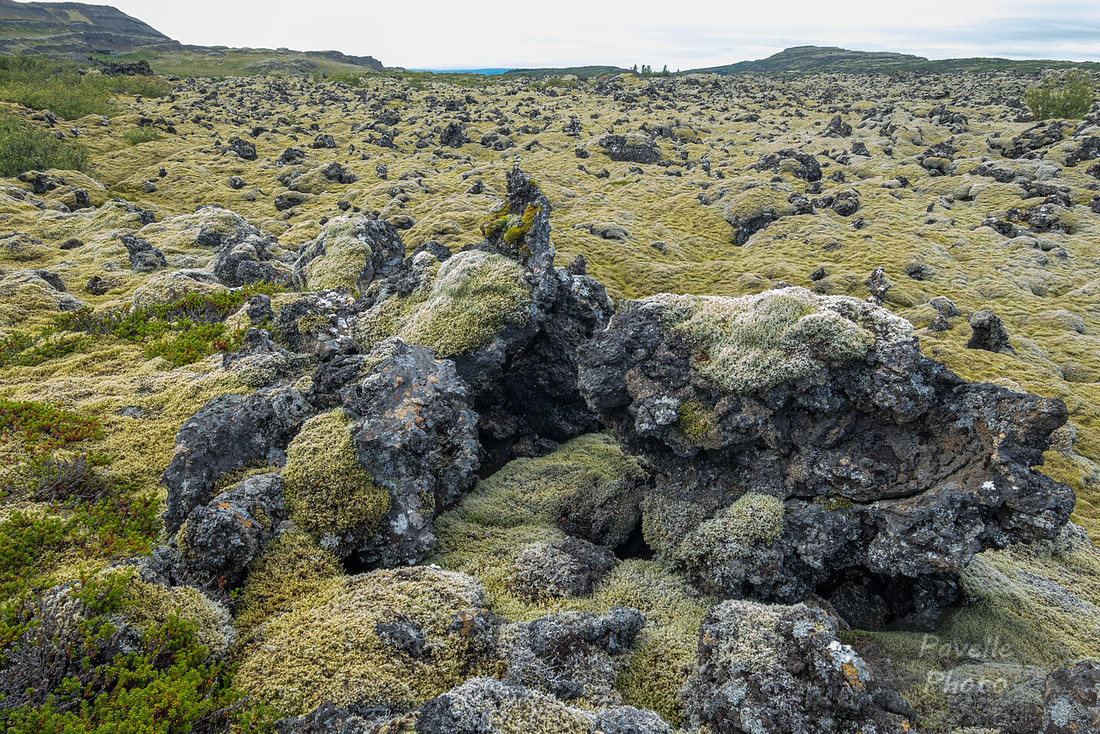
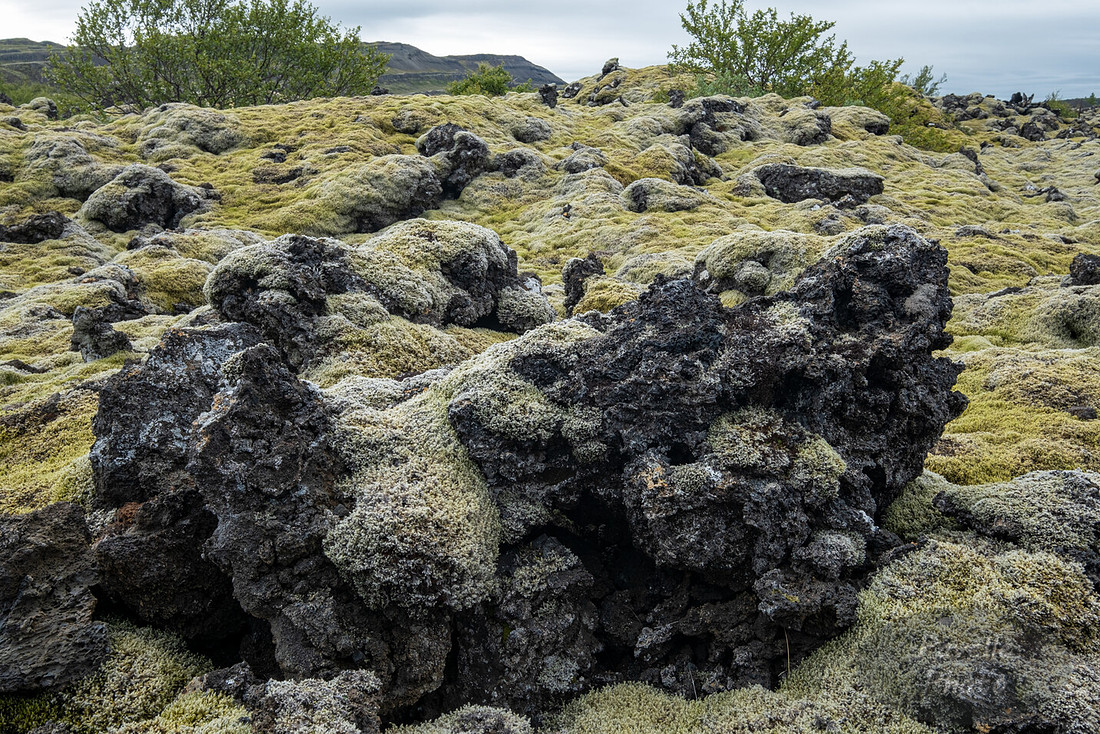
Both the moss and the rocks themselves are so textured it meant sense to try them in black and white.
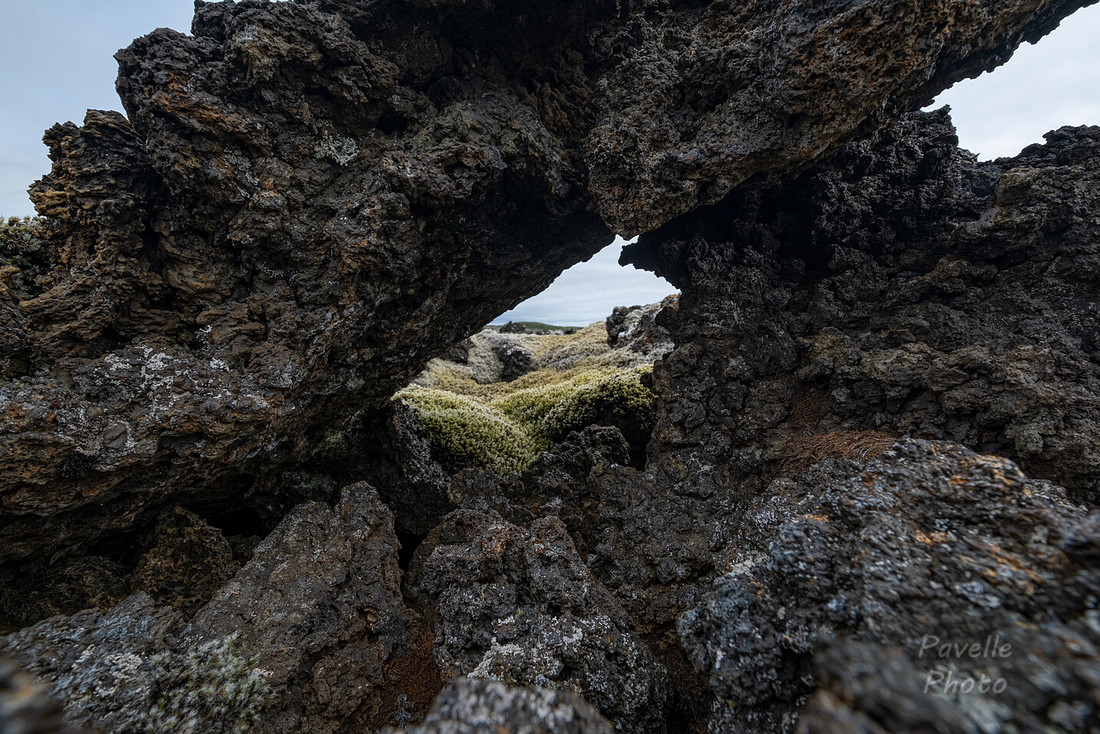
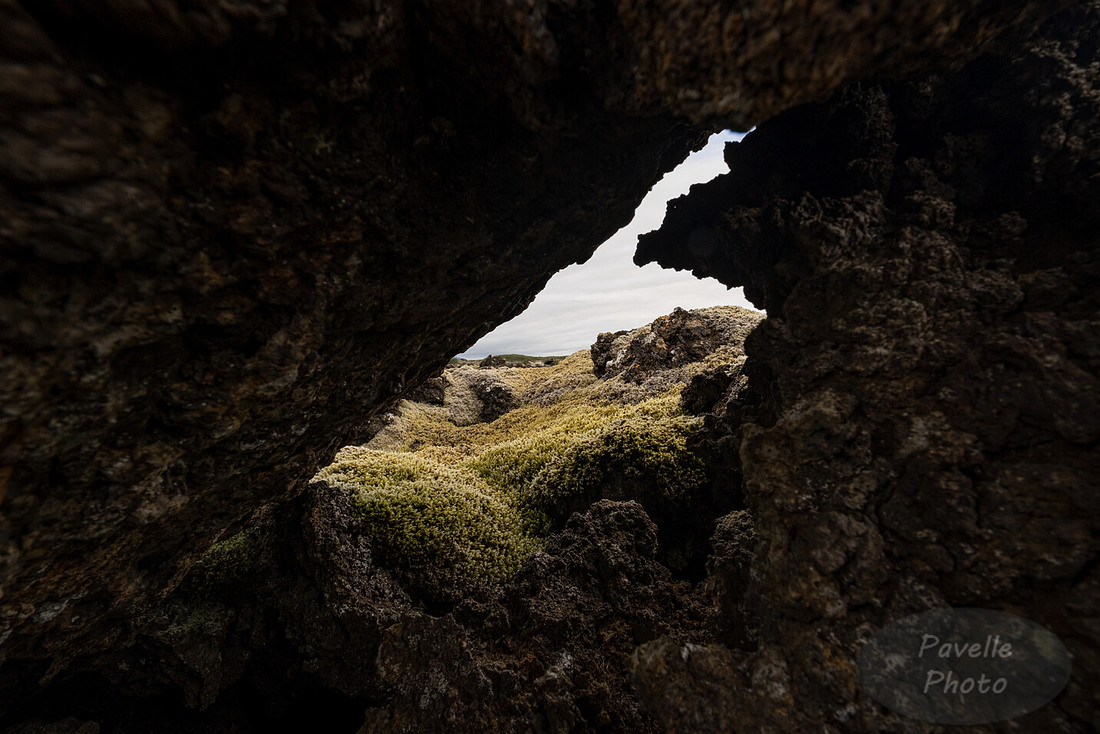
 The ones below are inspired by my grandfather. He told me once that it is important to frame images within the photograph. Spotting this rock with the hole through it provided a great frame.
Kolufoss and Kolugljúfur Canyon
I'm not sure what I can say about this place. Look at the photos and you can get a sense of how incredibly gorgeous it is. Massive, impressive, loud. One of those places that really wants to be experienced.
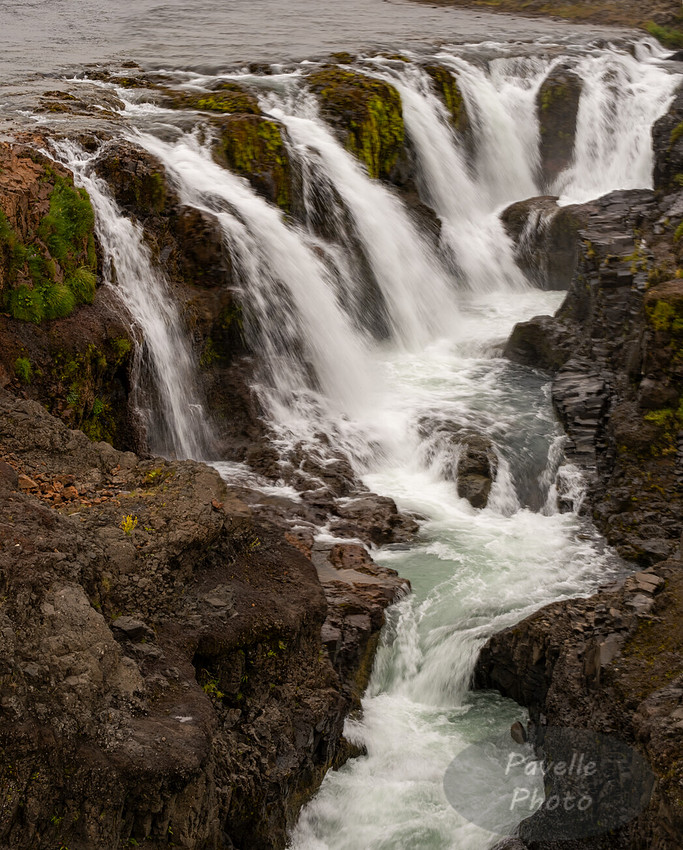
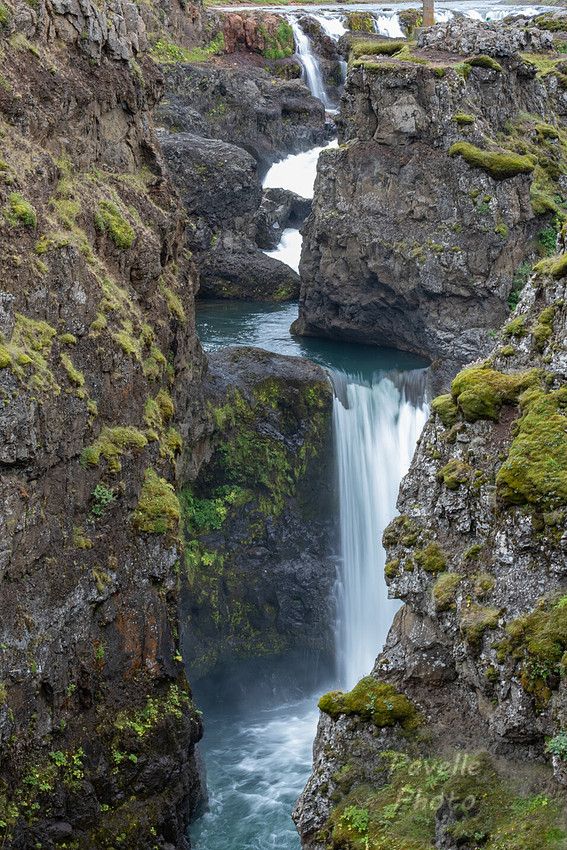
I left out the part about crowds. But they do provide a sense of scale.
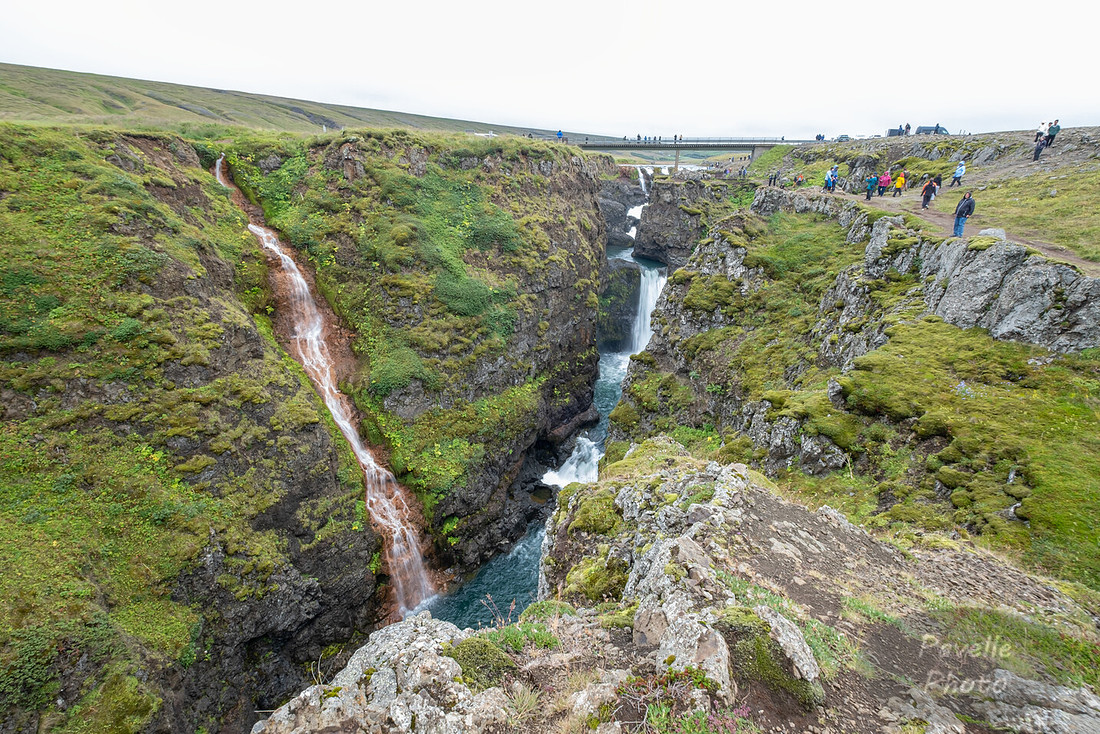
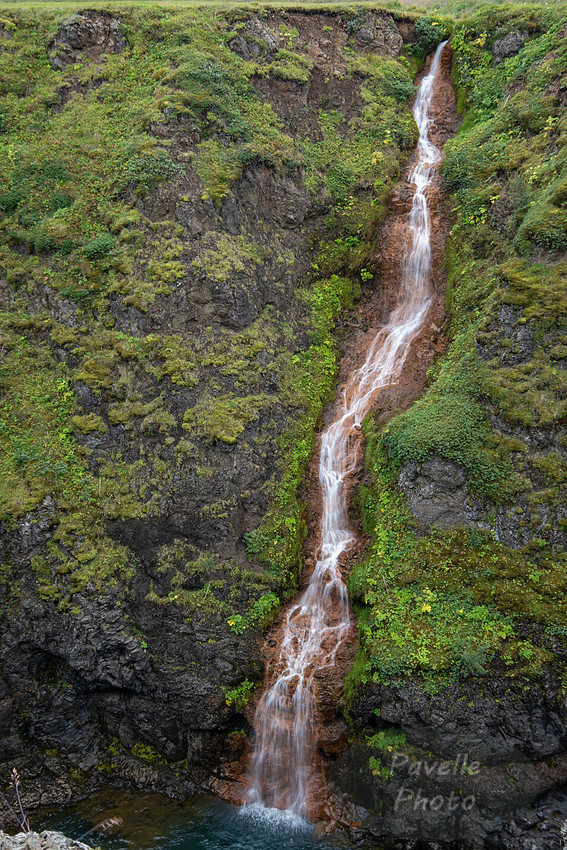
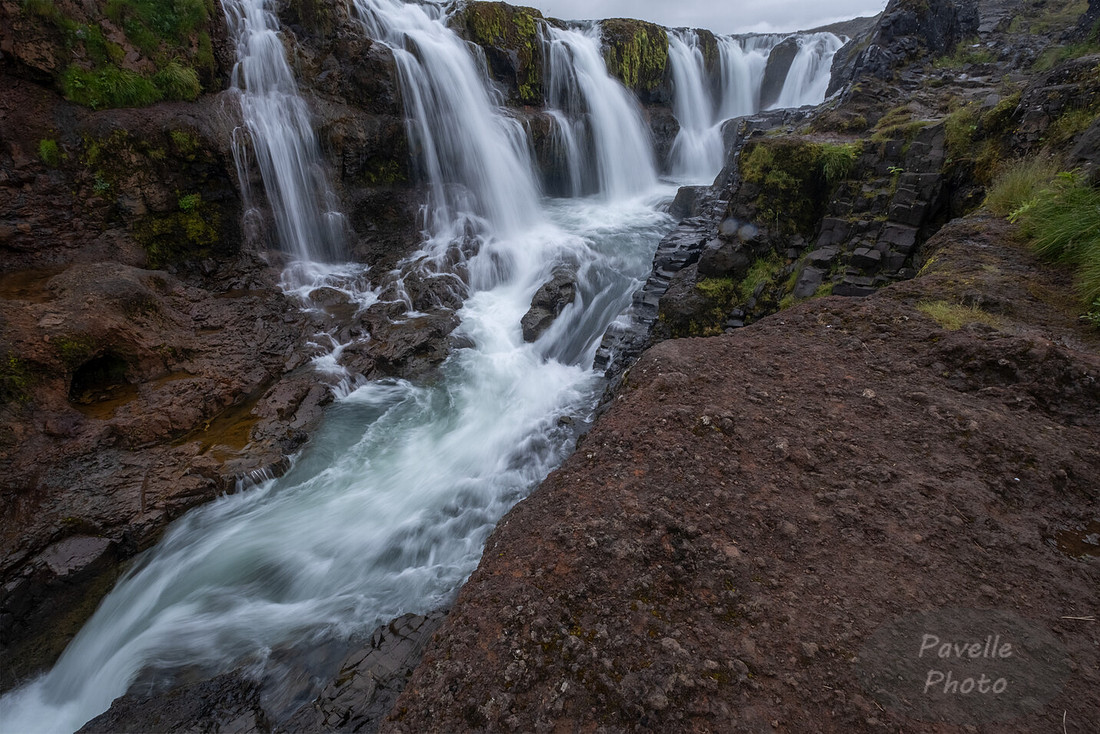
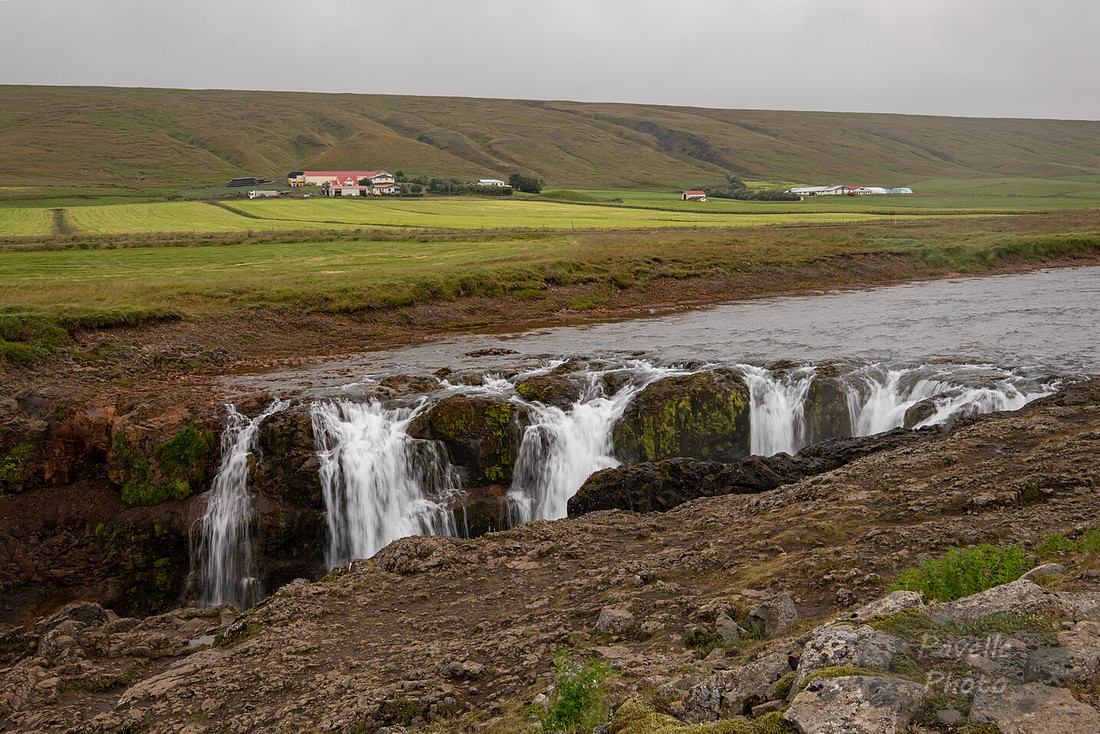
This was was carefully planned. I realized that all the other waterfall shots I was capturing were trying to get the size and power of the falls. For this one, I wanted to get the context. I liked the hills and buildings that were on the same level as the river right up until it falls down its own cliff.
Iceland: Day 3 - Snæfellsnes
NOTE: I'm only including a small selection of photos from any particular location in these travelogues. The full set of photos can be found here: https://www.pavellephoto.com/f498485929
Day 3 was Eclipse Day...one of the reasons everyone was on this particular workshop. It started out overcast and drizzly, cleared up a bit, and then went back to different levels of precipitation. We did experience totality, but never saw the sun. But, everyone made it an enjoyable time to be together in Iceland.
YTRI TUNGA
Ytri Tunga is a beach that was just down the coast from where we were staying, and we were told that there were seals there. So, having plenty of time before the eclipse was supposed to start, we braved the drizzle and went. I found out that it is not a good idea to try negotiating wet volcanic rocks covered with seaweed while wearing sneakers...no damage outside small scrapes and bruises. And it turned out I didn't have to do so as the seals were visible from dry rocks using a telephoto lens.
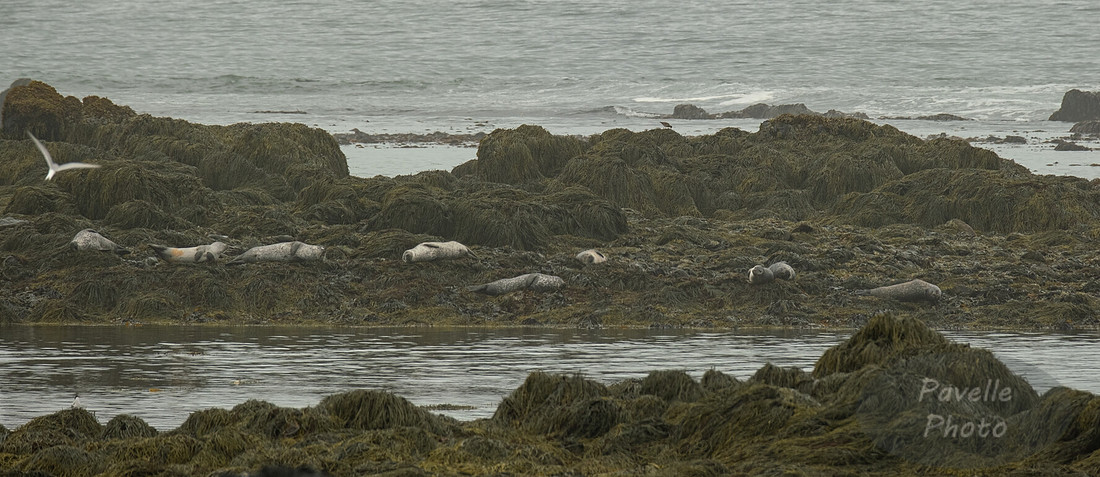
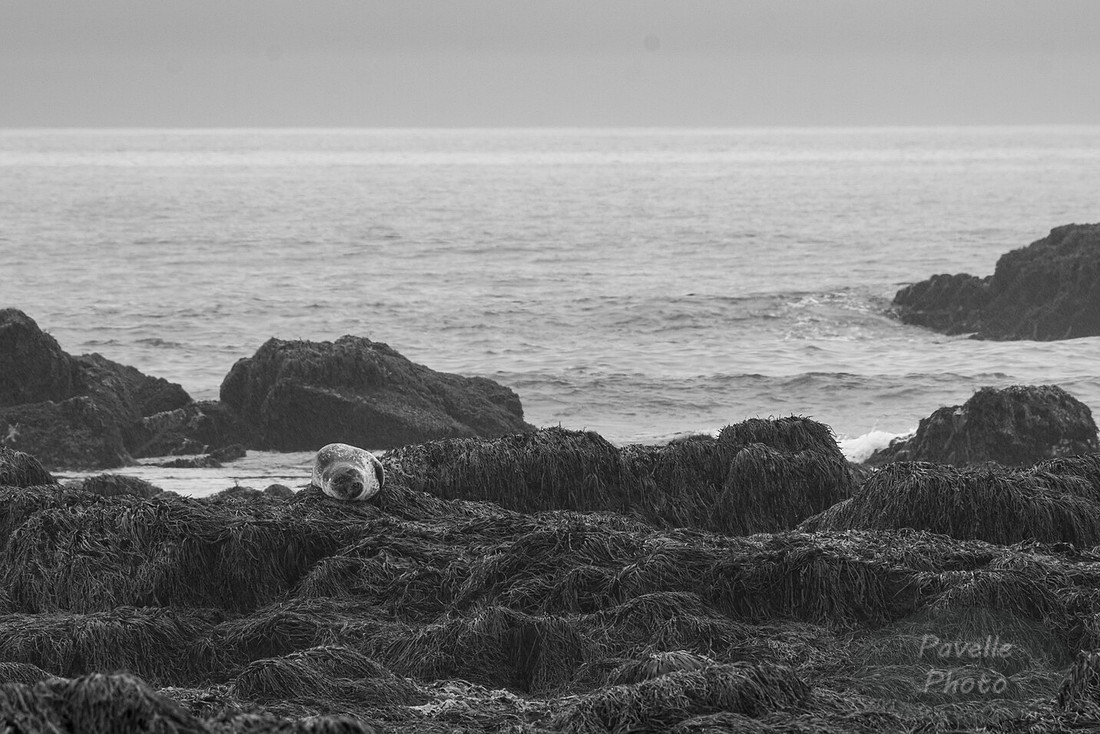
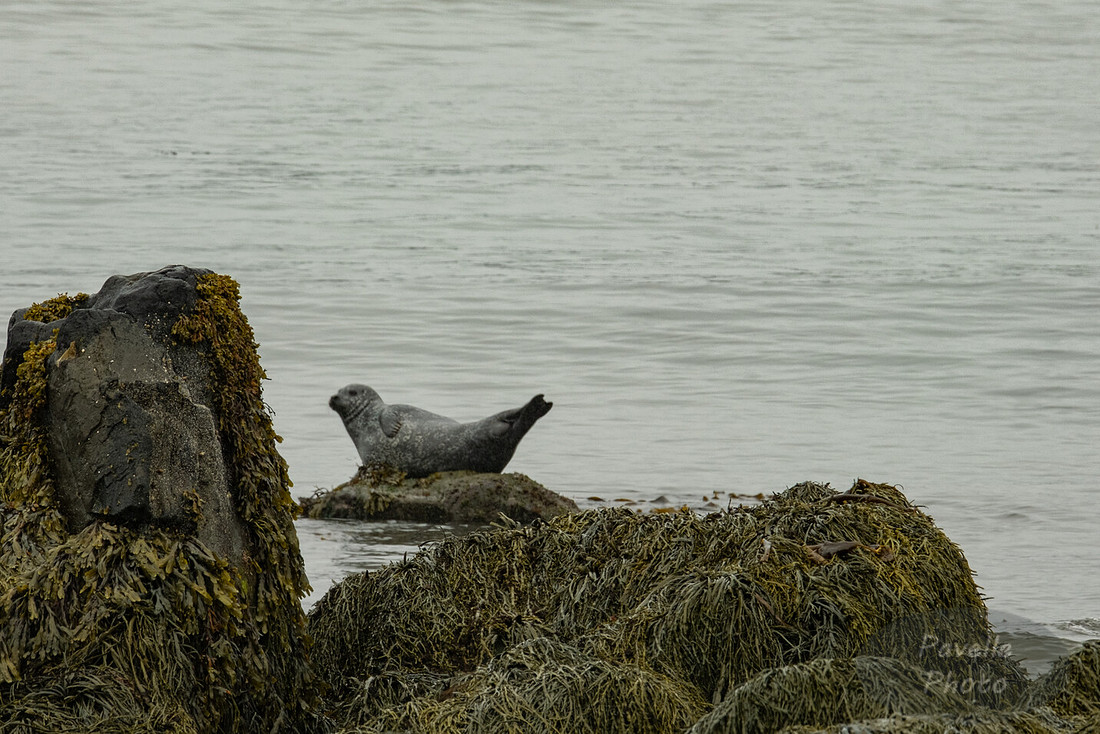
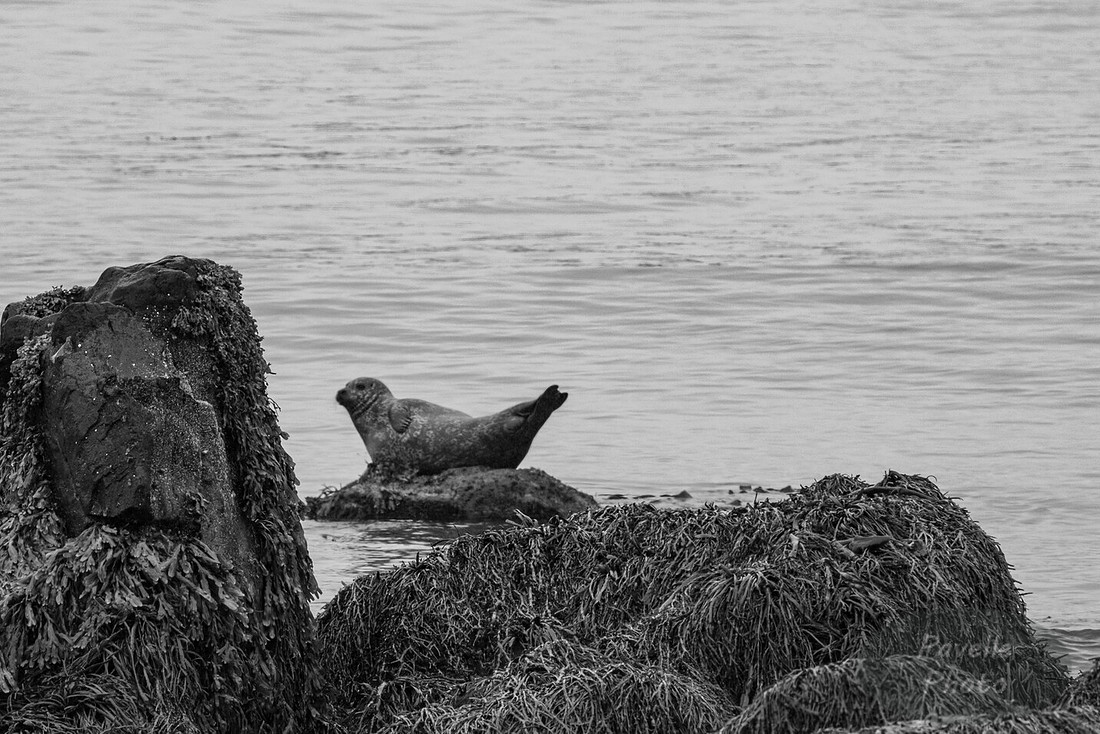
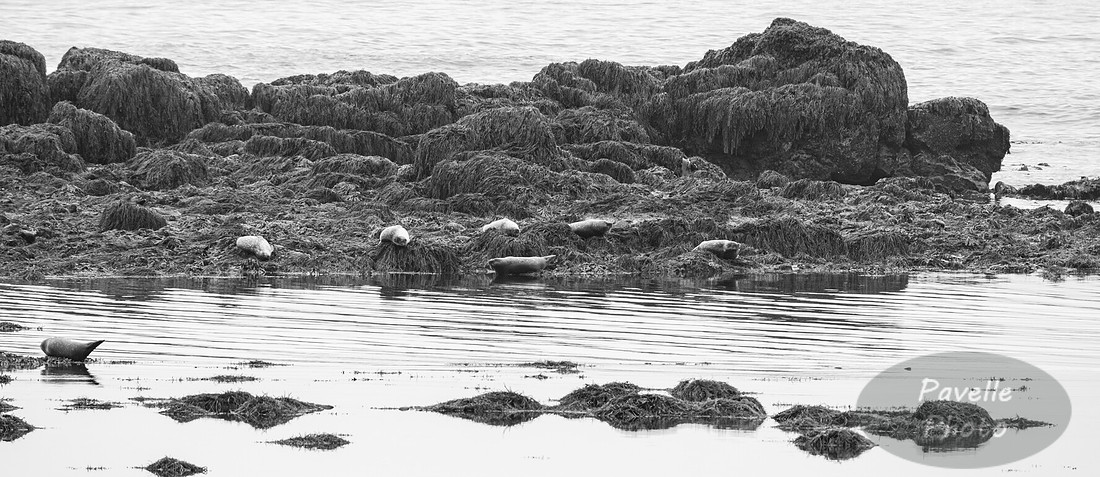
I don't usually convert photos to black and white, but the texture of the seaweed really popped when I did so. And, of course, there wasn't a lot of color to begin with.
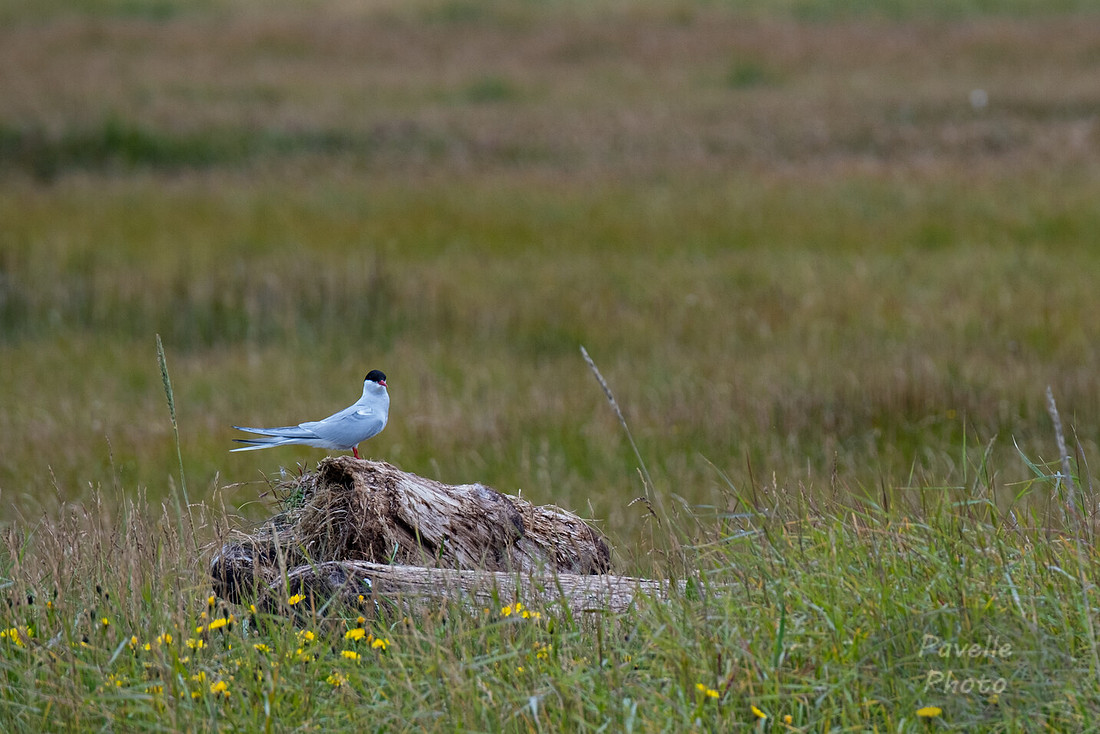
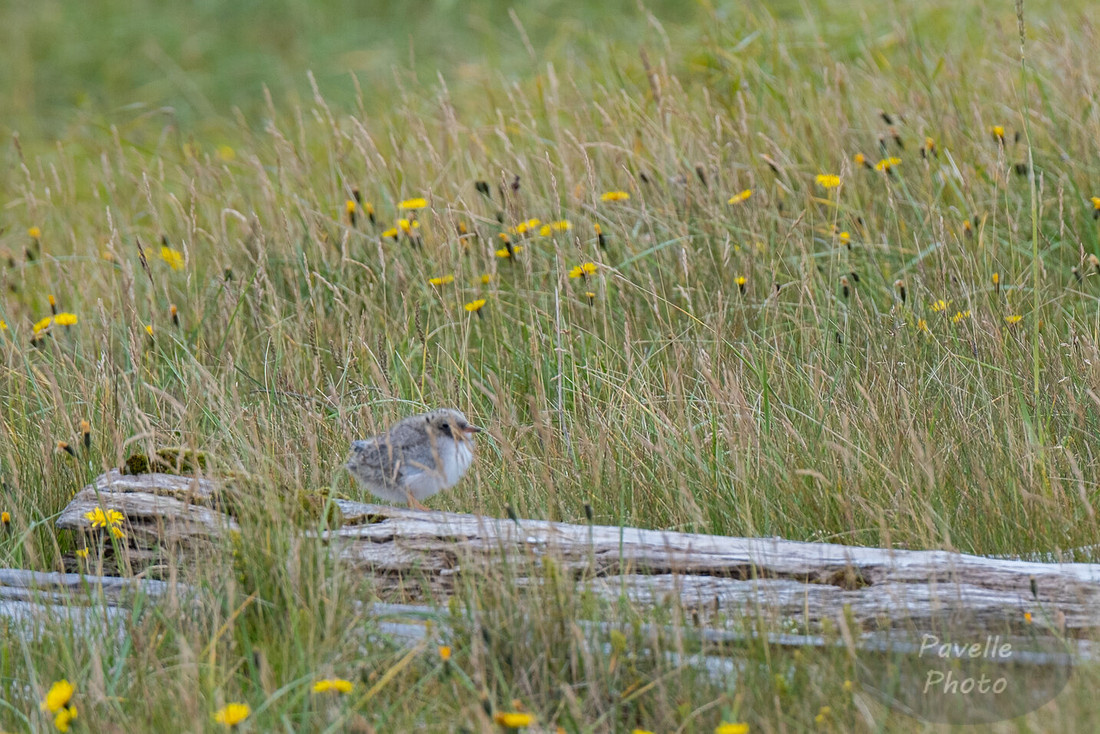
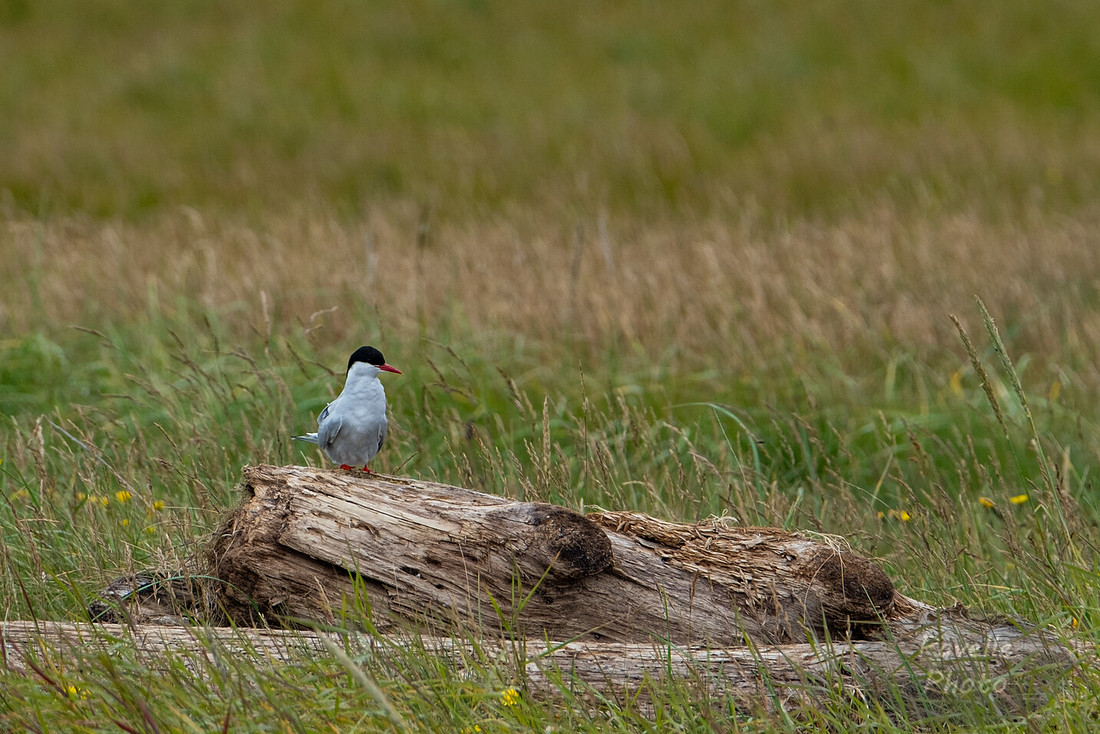
On the way back to the parking lot, there were a couple of Arctic Terns that were feeding and protecting a chick. Not wanting to disturb them, I kept my distance as much as necessary to still get couple of photos.
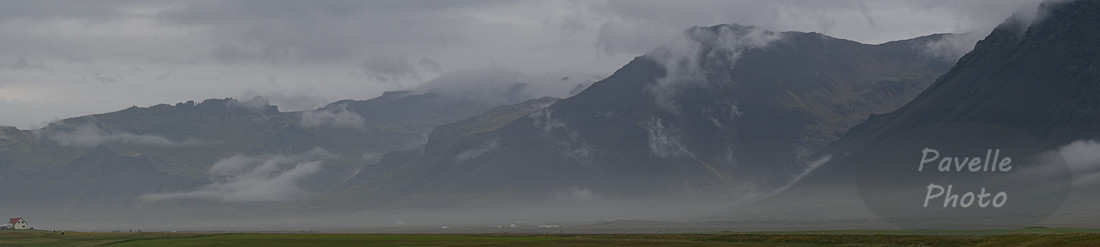
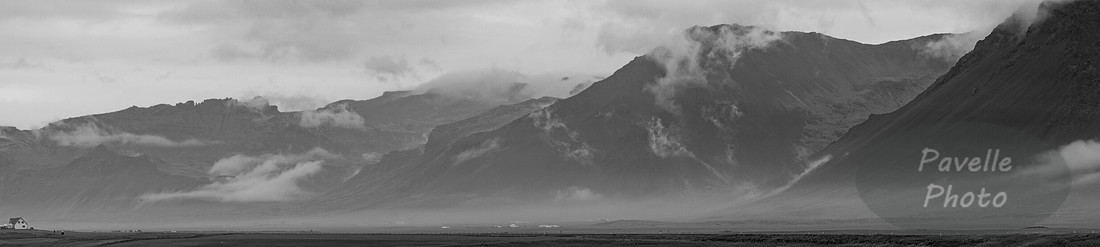
As I mentioned above, it was overcast and rainy during the eclipse. The panorama below was captured shortly after totality. The clouds on the mountains and quality of light really caught my interest. Anchoring the image with the house in the left corner gave it size and scope. What I can't decide is whether I prefer the color or black and white version. I do like the bit of green giving a base to the mountains, but so much is essentially black and white that converting it lets the tonalities pop.
Iceland: Day 2 - Snæfellsnes
NOTE: I'm only including a small selection of photos from any particular location in these travelogues. The full set of photos can be found here: https://www.pavellephoto.com/f498485929
Day 2 was spent getting to the Snæfellsnes Penninsula, where we were planning on viewing the total solar eclipse. Before I left Minnesota, I had checked forecasts and most of them said cloudy the entire time I would be in Iceland and it started out that way on the drive. However, when we reached the penninsula the sun came out in glorious fashion, so there was hope.
For those of you who are unaware, somewhere on Snæfellsnes there is a cave that provides the entrance from which you can Journey to the Center of the Earth. I didn't spot it, which was no surprise since it was the wrong time of year to go looking.
KIRKJUFELL and KIRKJUFELLFOSS
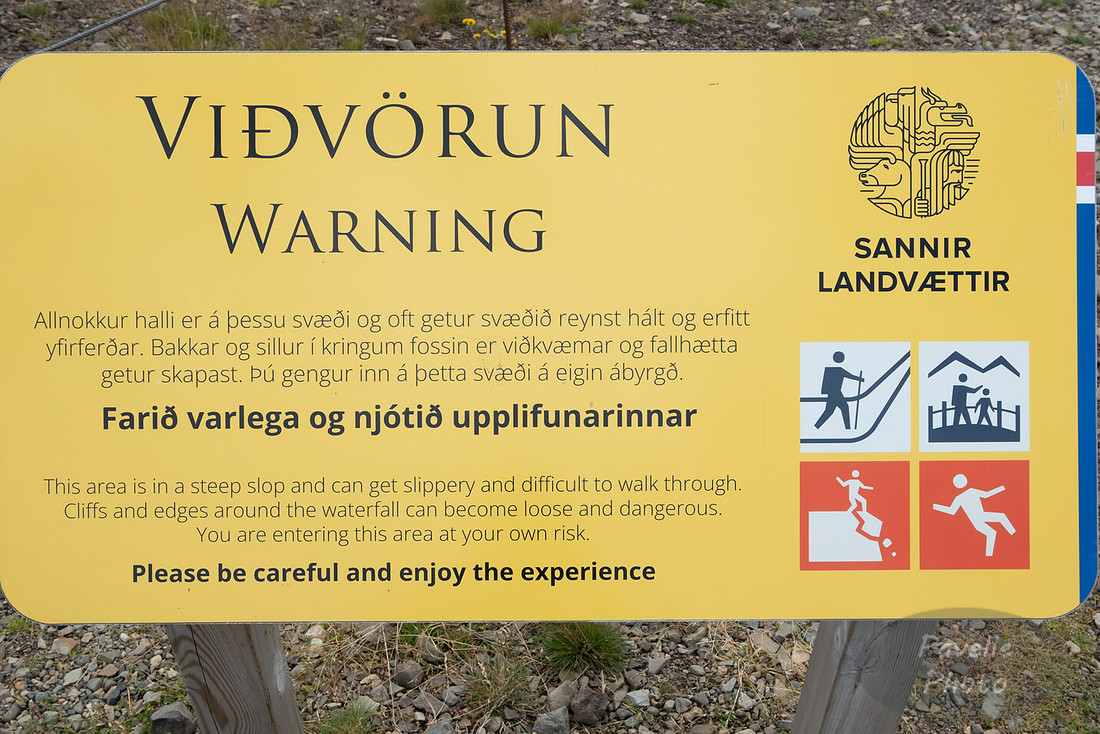
Signs like this are a common sight. There are few, if any, ropes or guardrails in place, but there are a lot of cliffs or other places you can fall off.
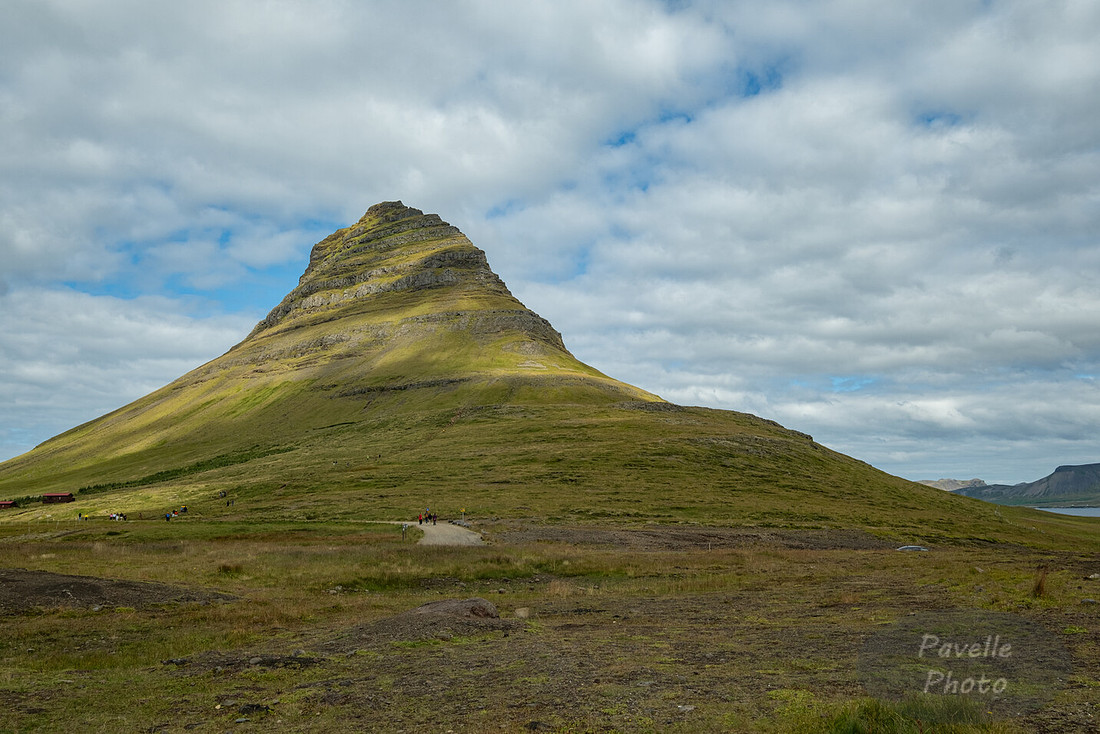
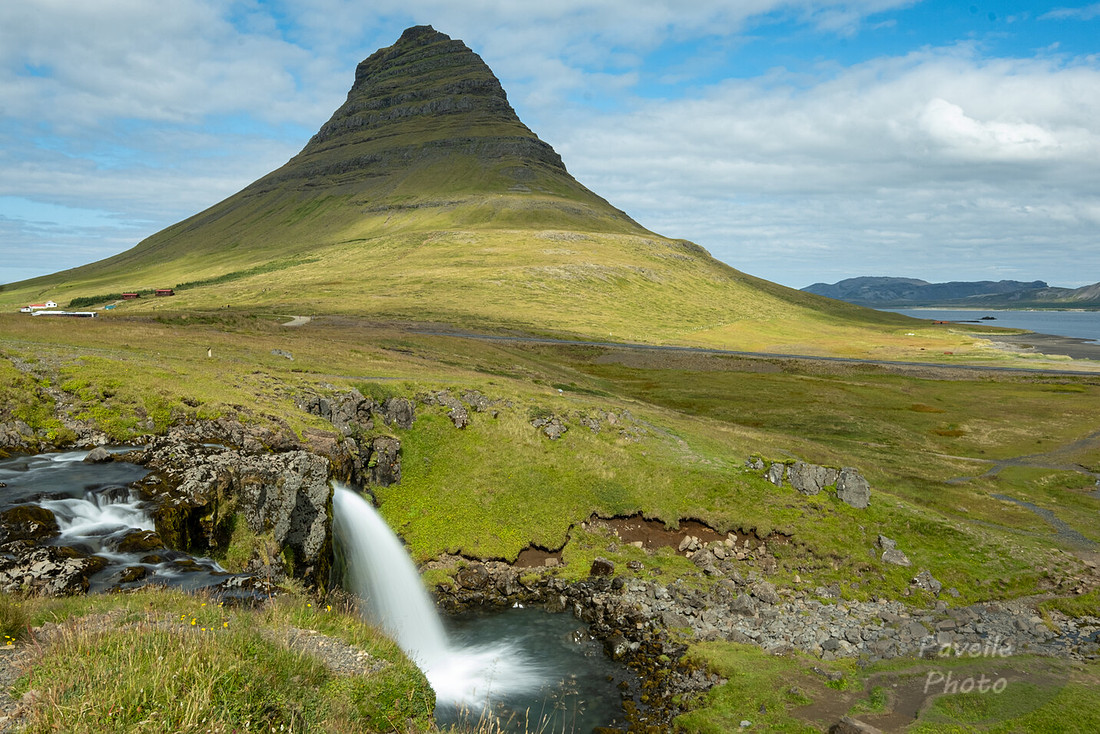
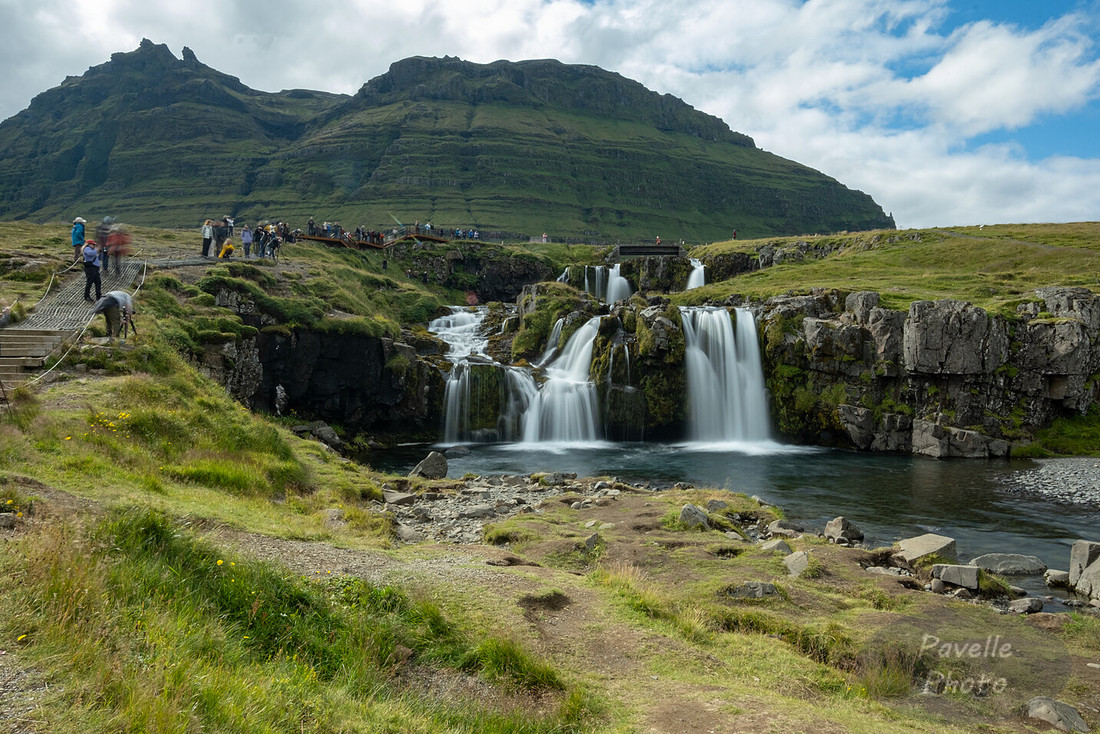
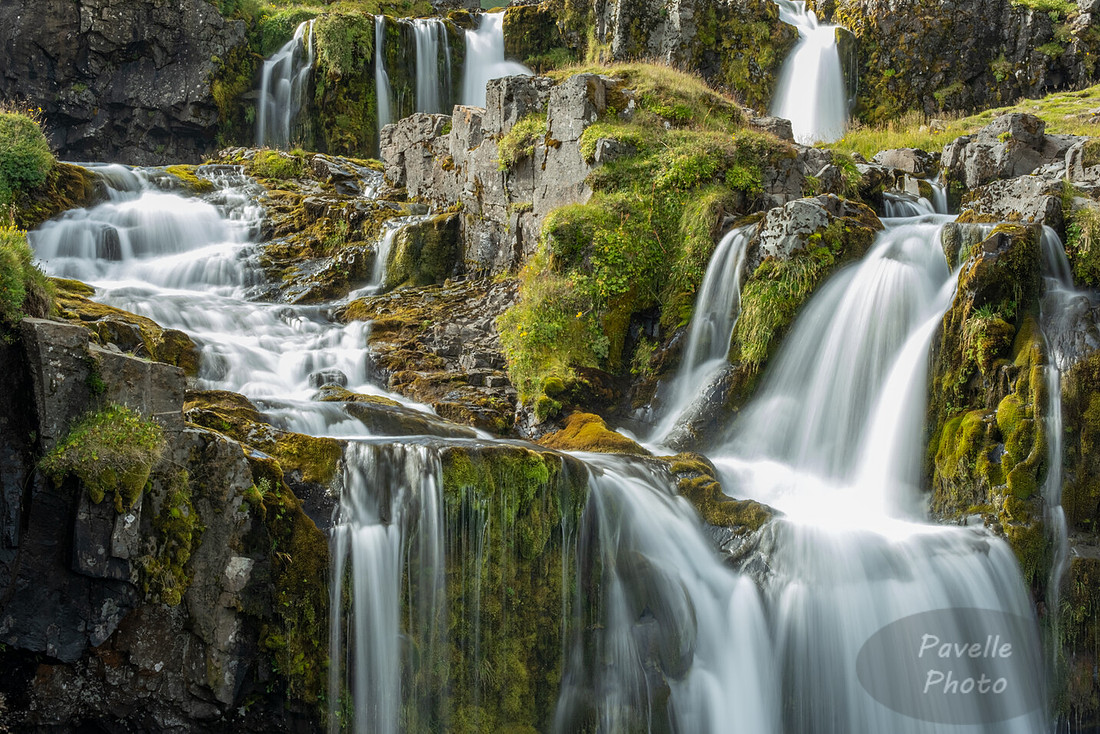
Kirkjufell is an incredible sight to behold. It's a very tall, chiseled hill/mountain standing on its own in the midst of other tall hills/mountains. The waterfall is quite close by and gorgeous to behold. And there are crowds of people hoping to view them.
ARNASTAPI
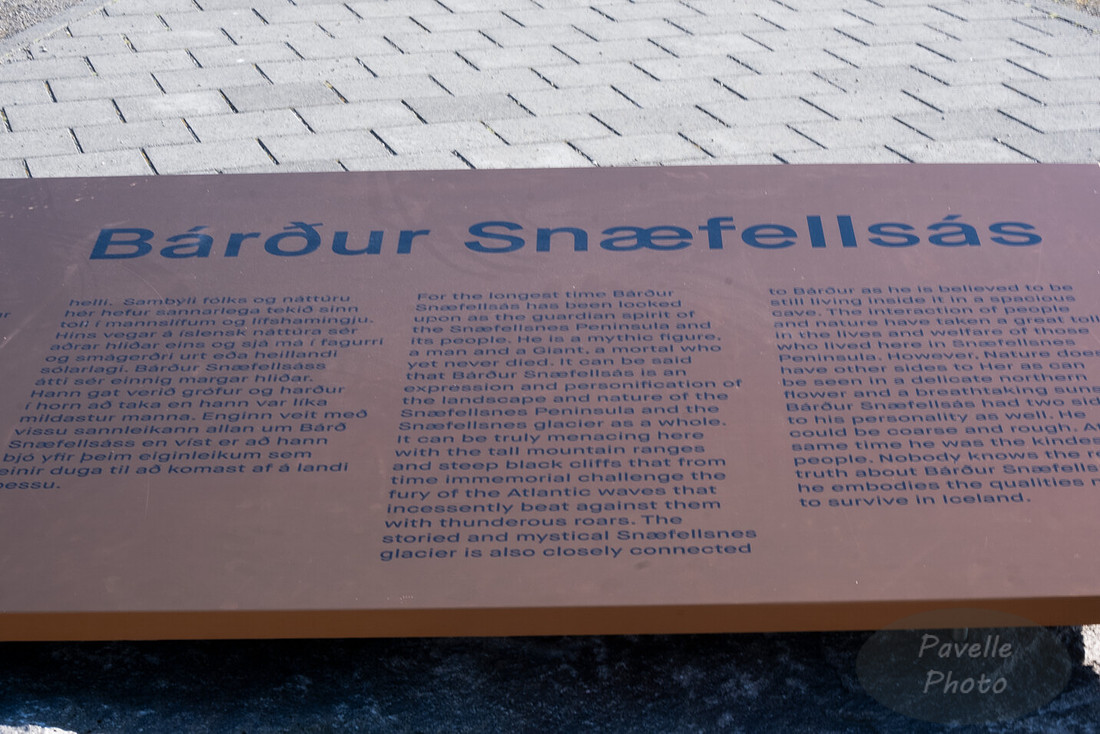
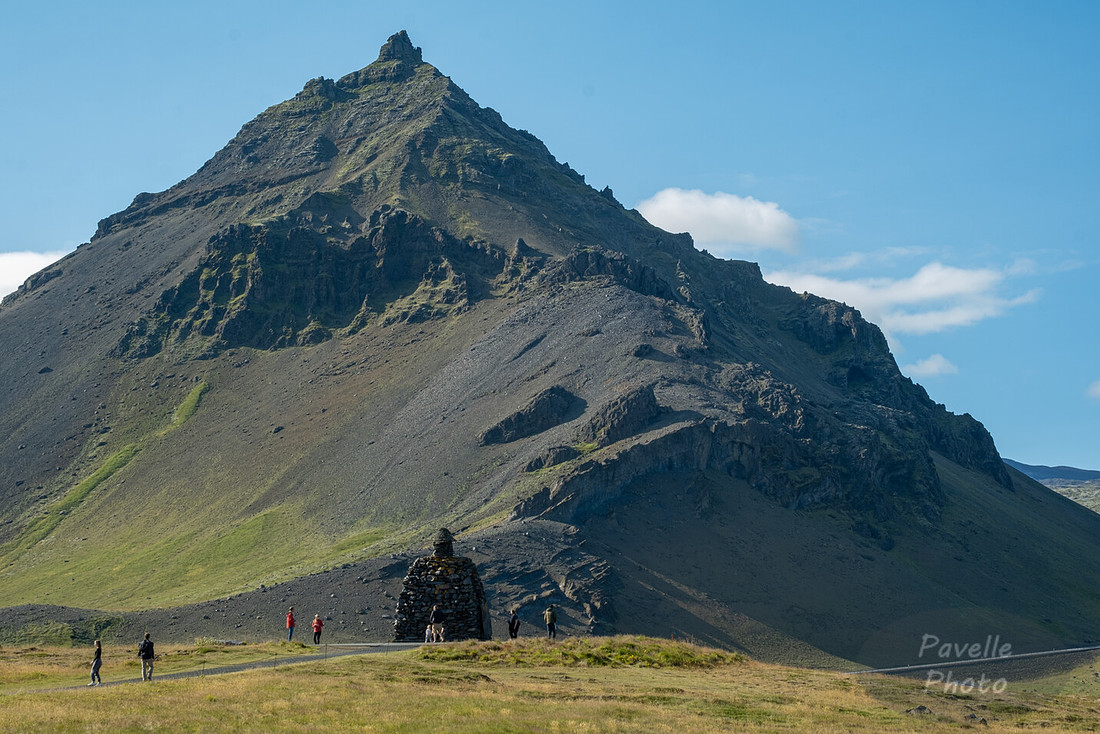
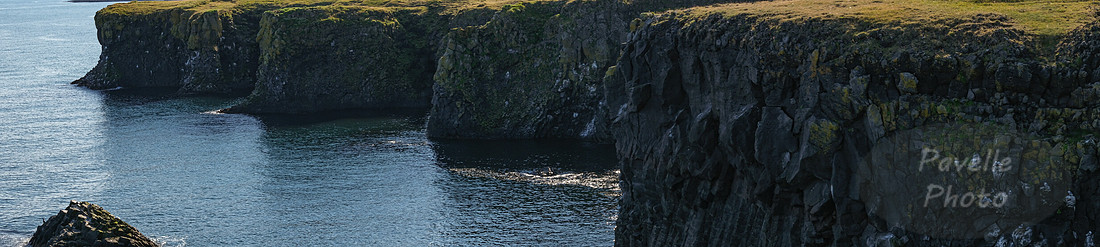
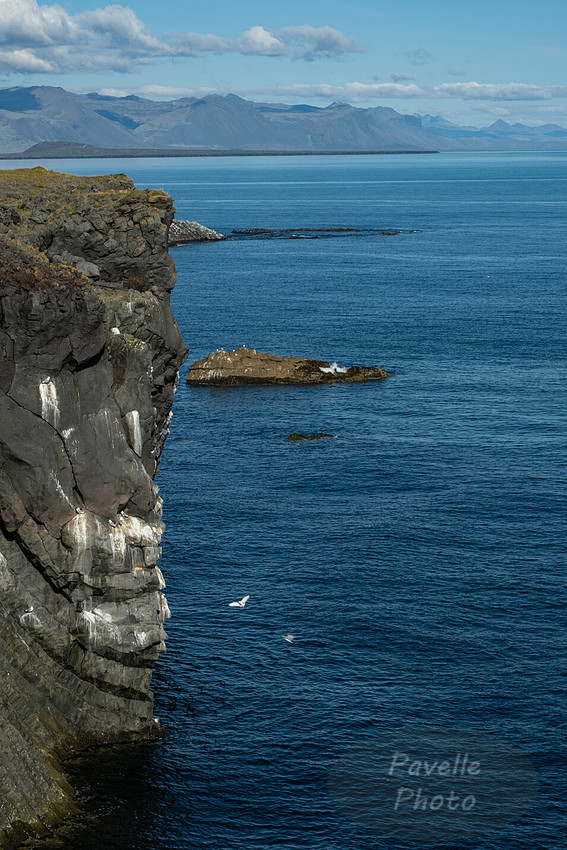
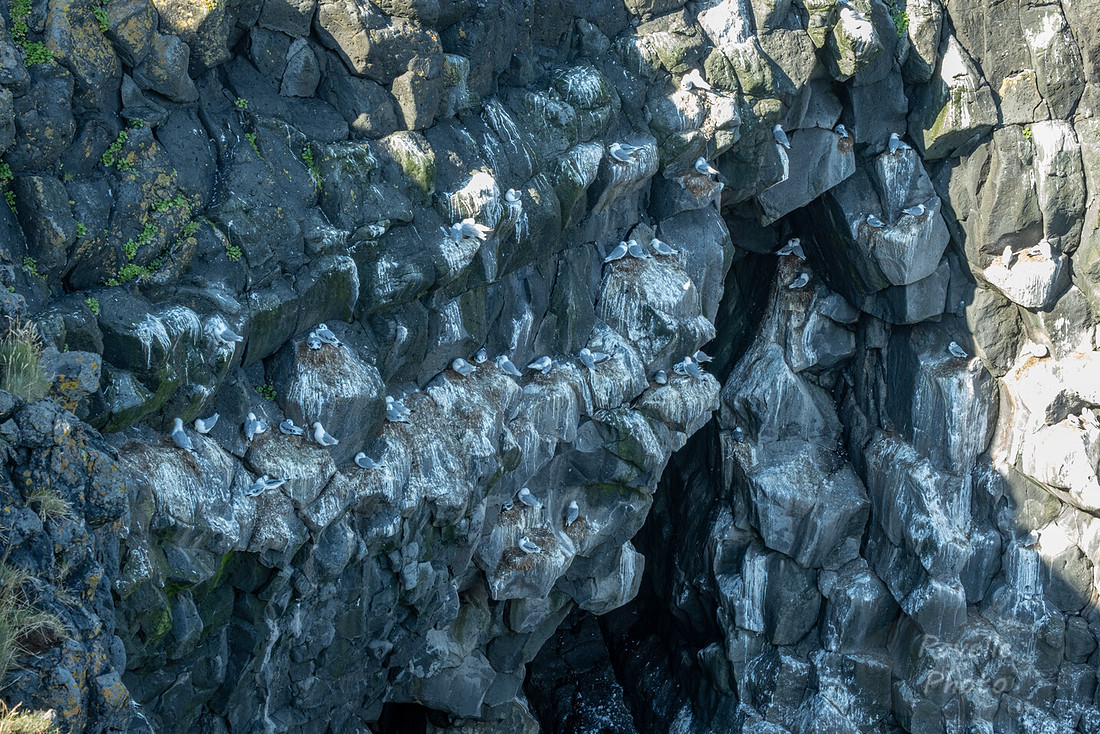
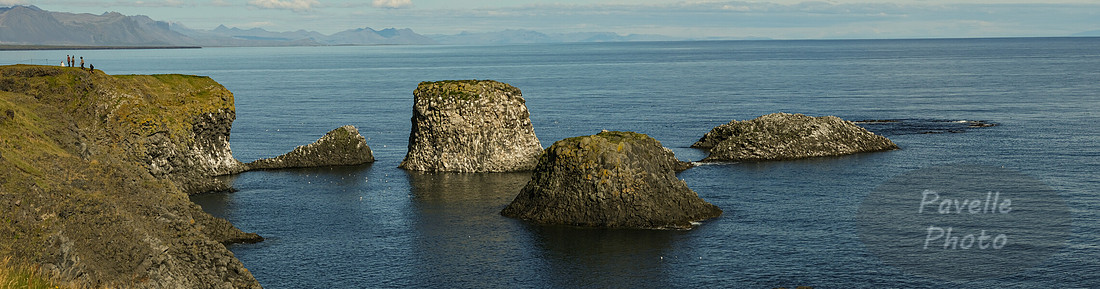
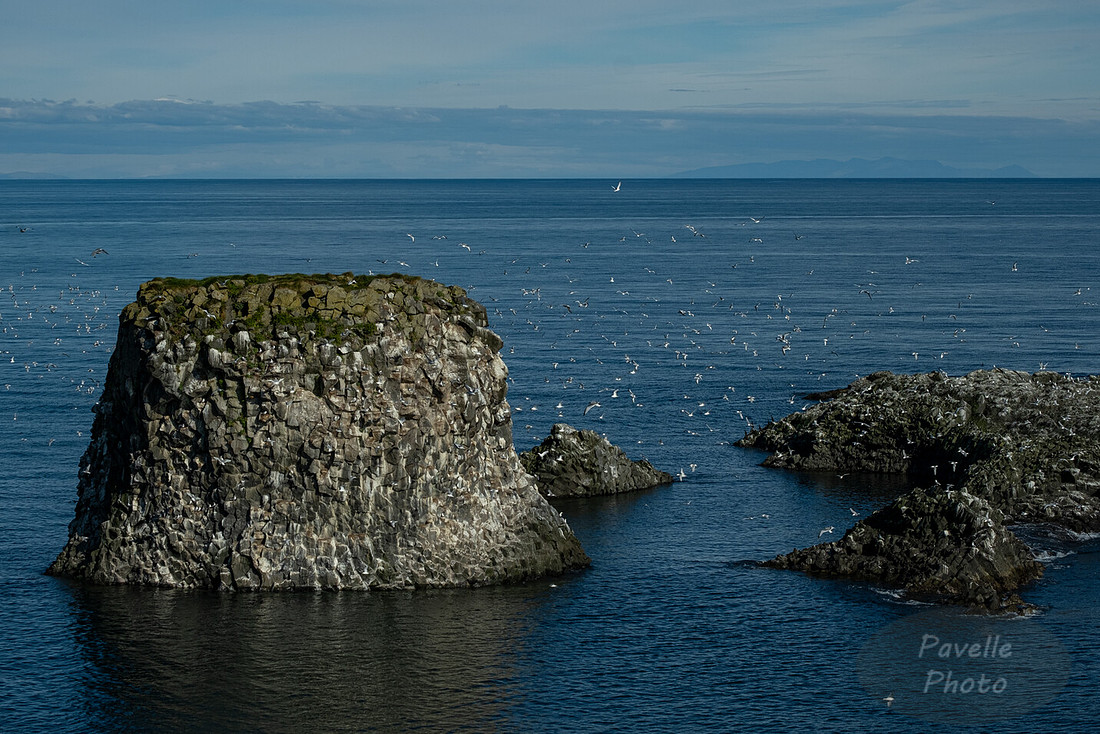
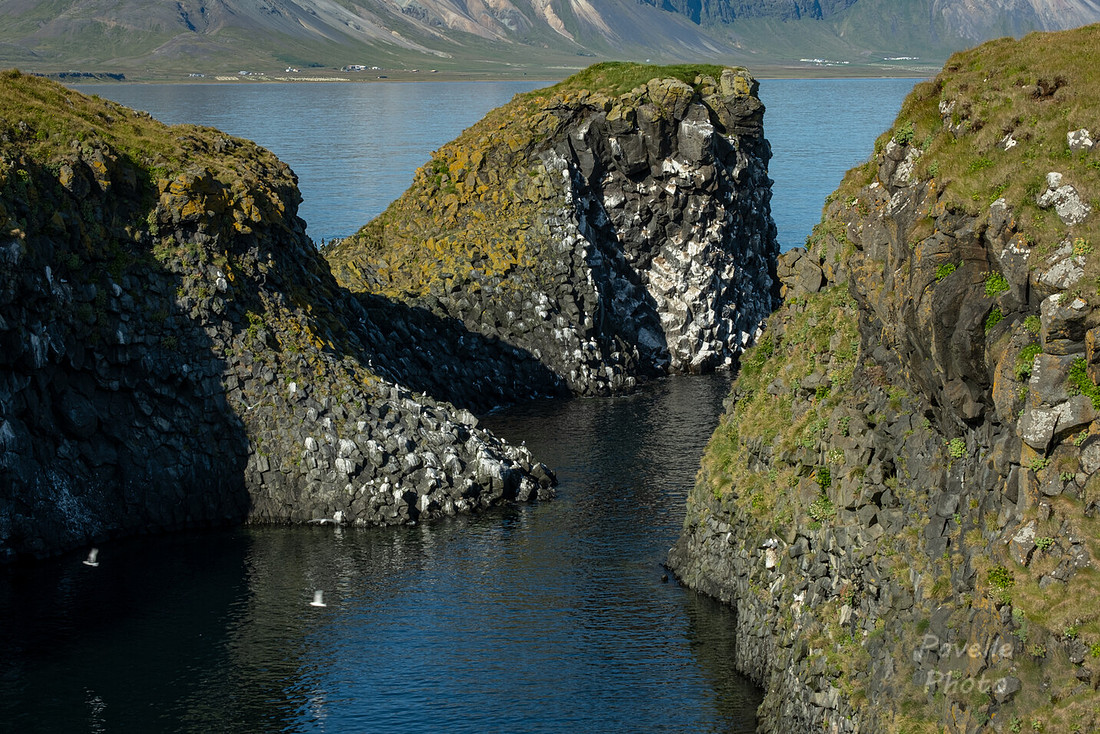
Arnastapi is along the ocean and surrounded by mountains that, I believe, used to be part of a volcanic crater. The structure in the above photo is the one described in the sign above it. The cliffs stretch to the horizon and are full of Black-legged Kittiwakes.
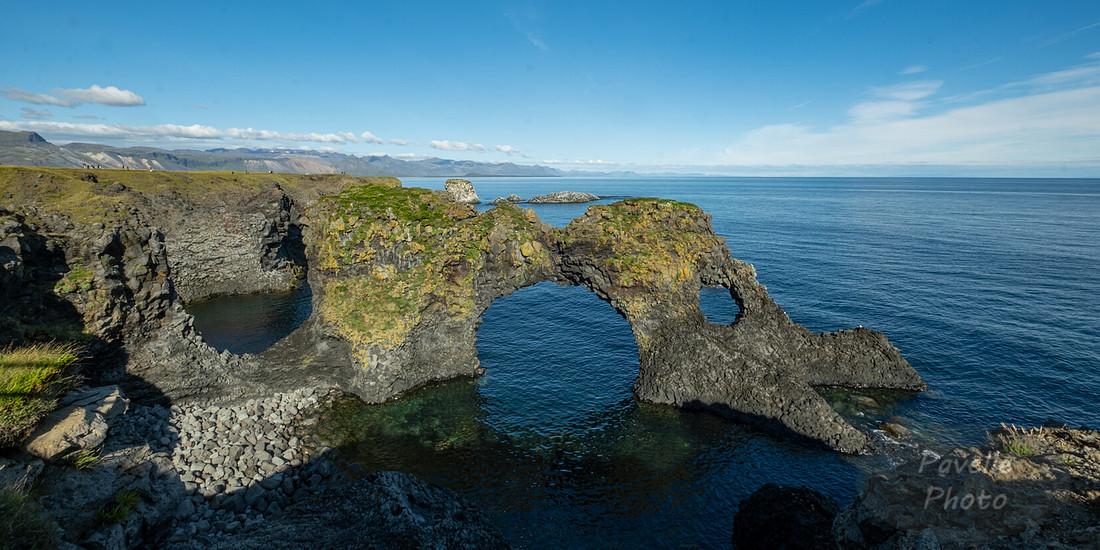
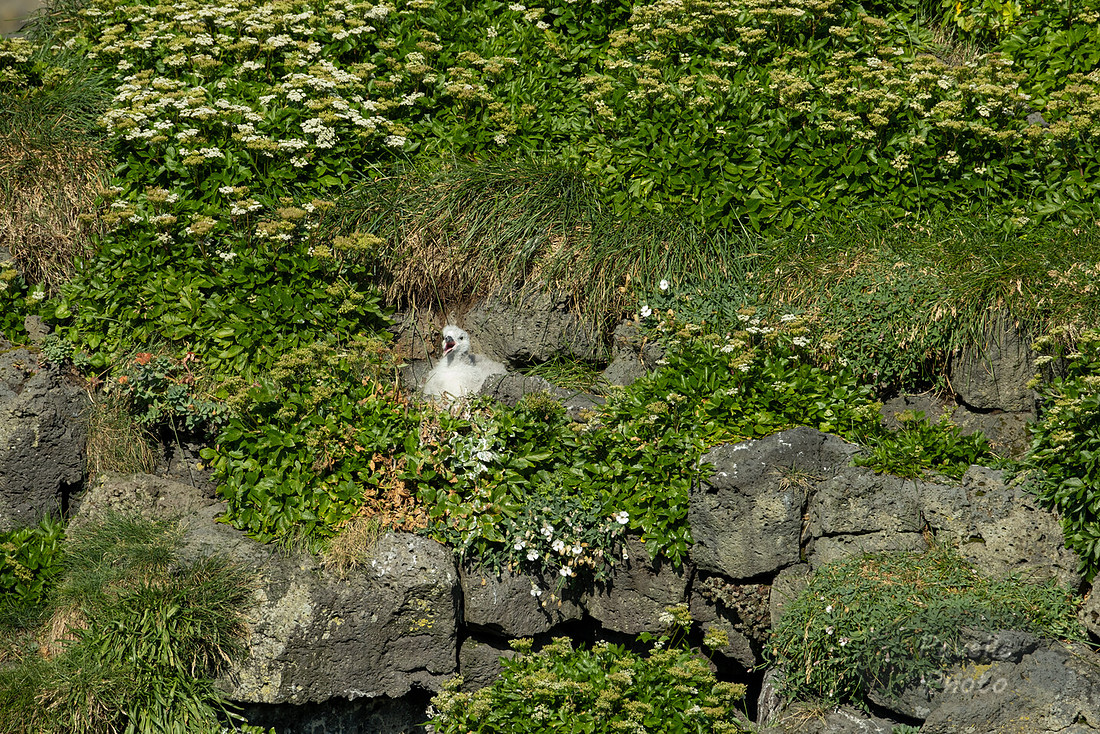 don't know if this is a kittiwake chick or some sort of gull. It was nesting on the upper left side of the arch seen in the panorama above it.
BÚÐAKIRKJA (Black Church of Búðir)
Before shooting the church and environs, we spotted some Whooper Swans.
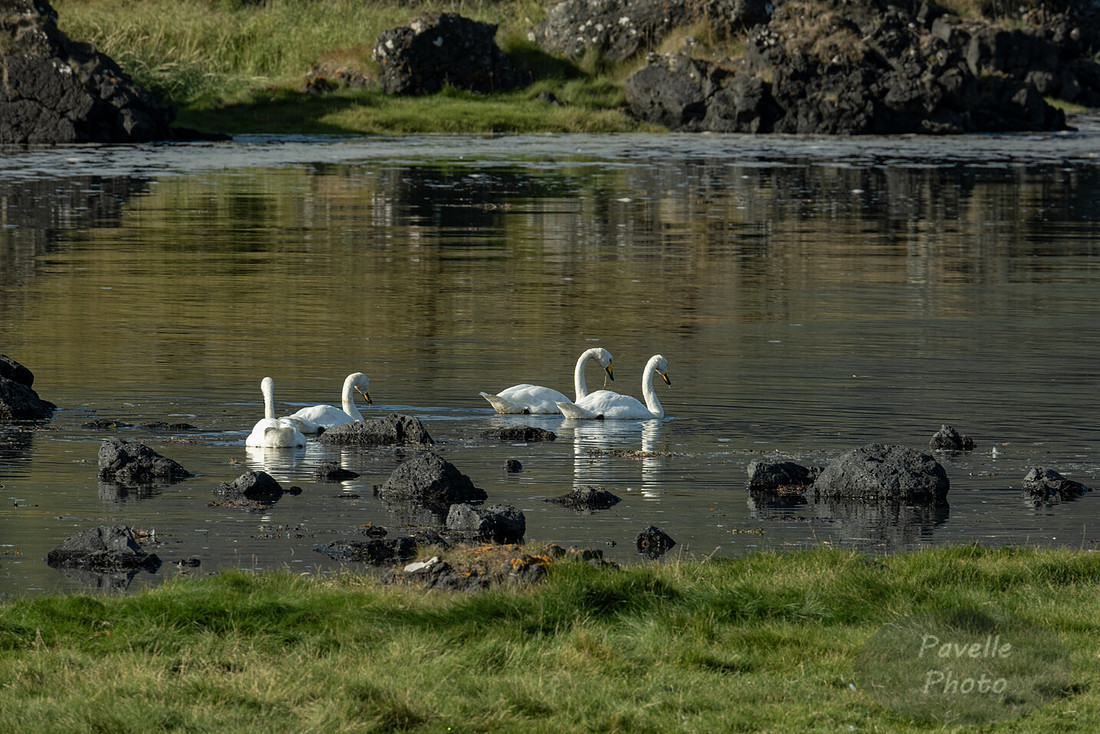
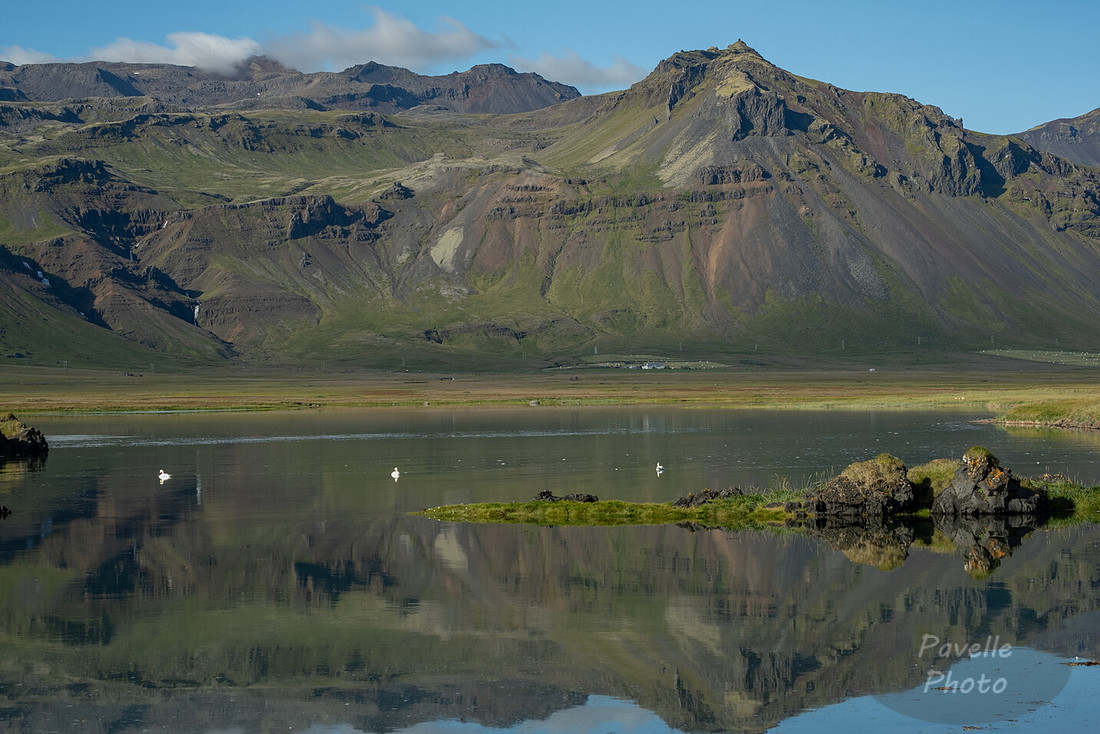
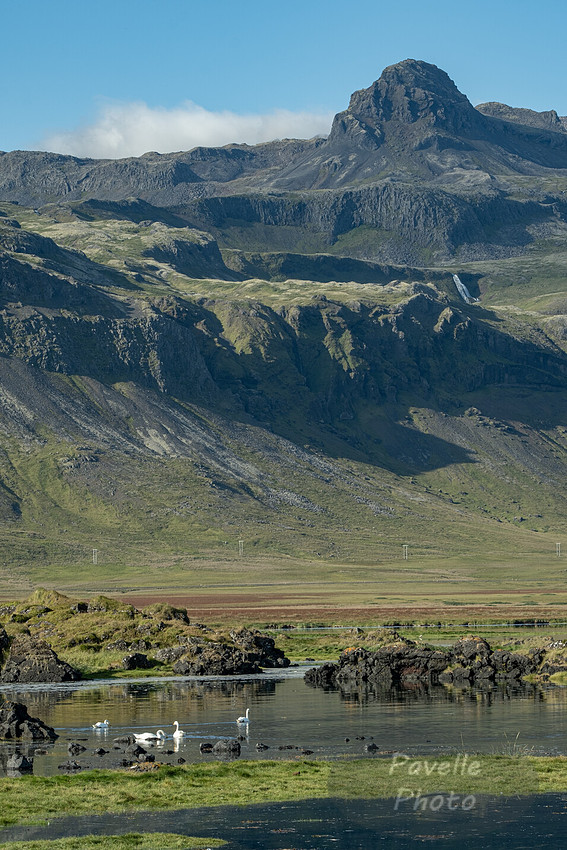
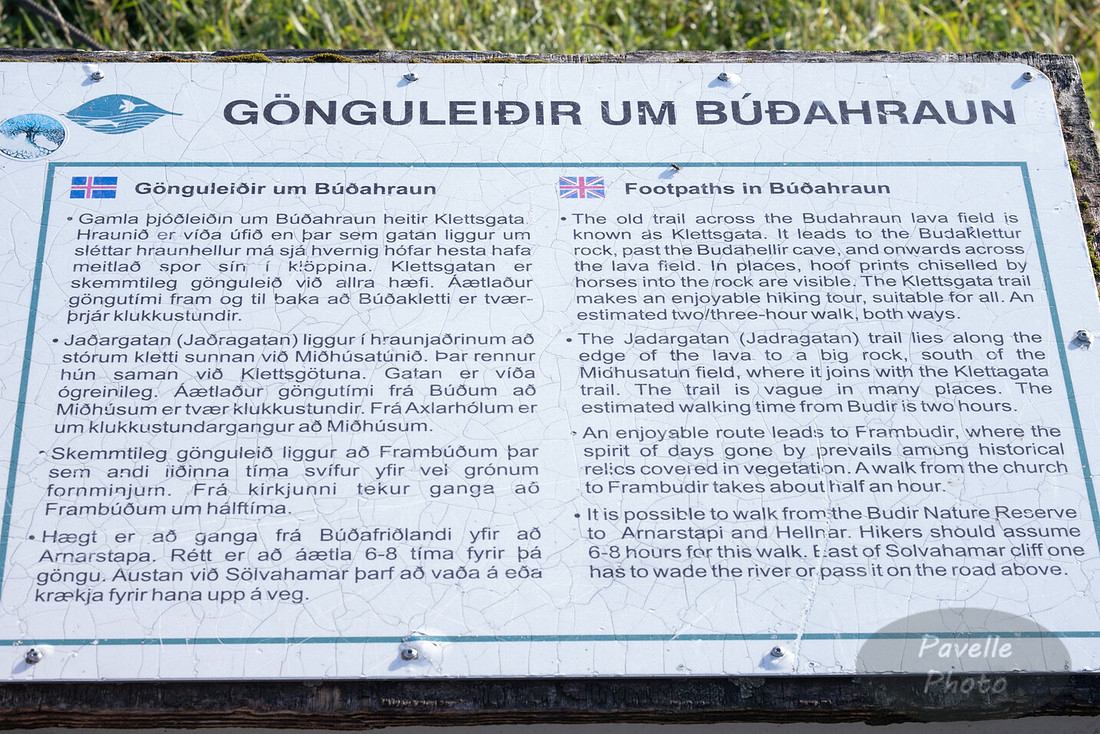
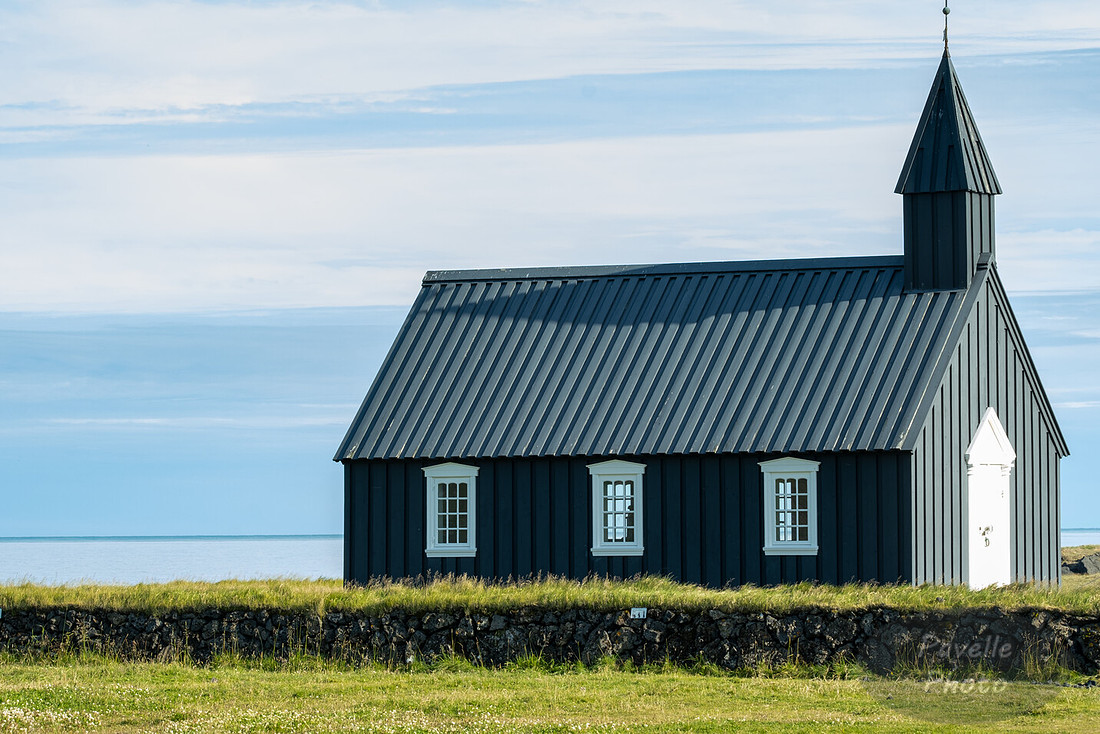
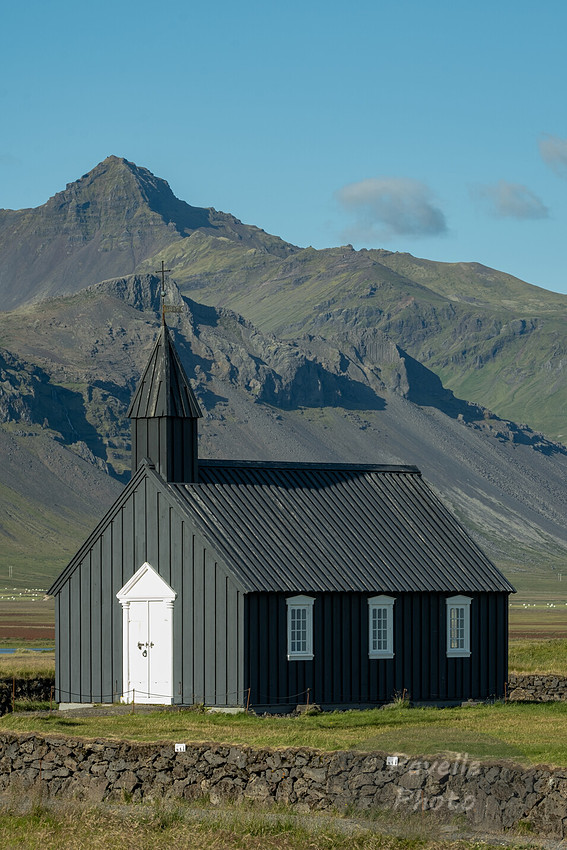
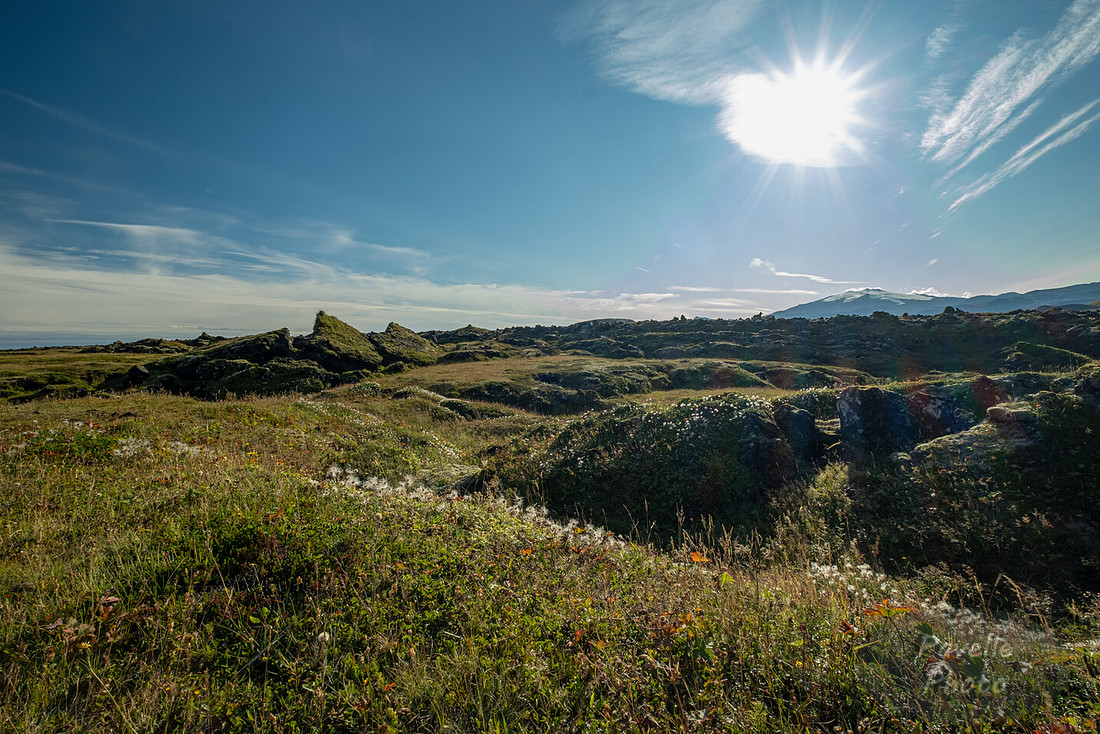
Besides shooting the church, this was my first opportunity to shoot one of the lava fields. These are all over the island; chunks of volcanic rock littering the landscape and covered in moss. Apparently, you can tell how long ago the rocks landed where they are based on the amount of moss that has managed to grow on them.
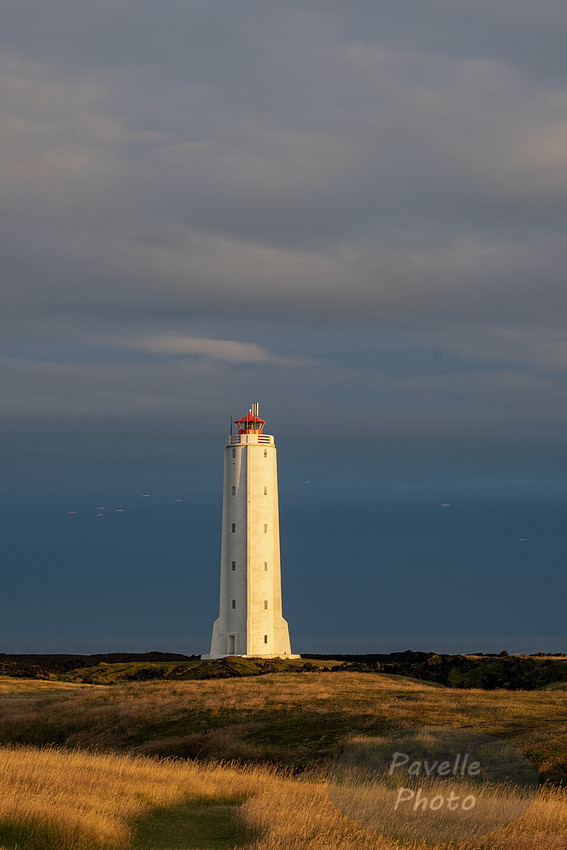
MALARRIF and MALARRIFSVITI LIGHTHOUSE
After dinner, there was still plenty of light so we decided to go visit another seascape/lighthouse and capture the sunset.
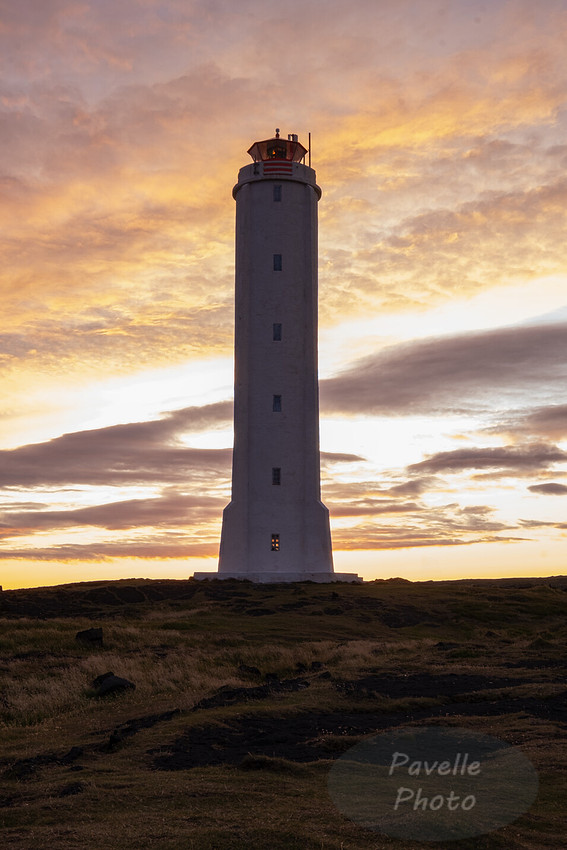
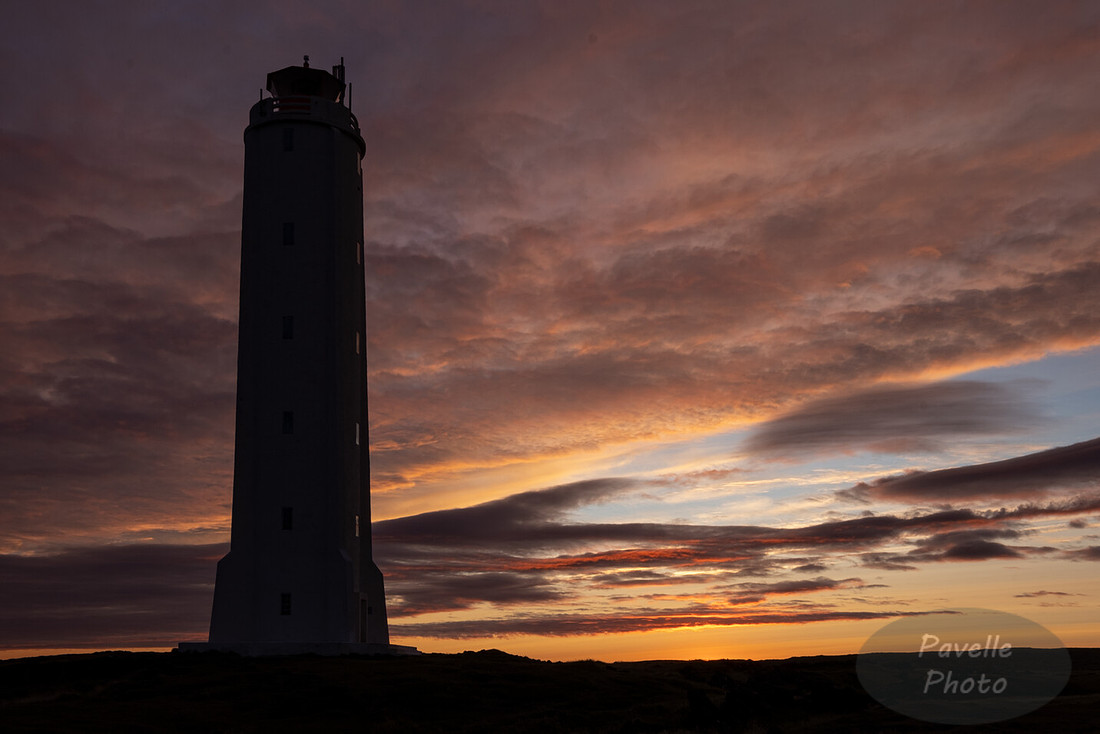
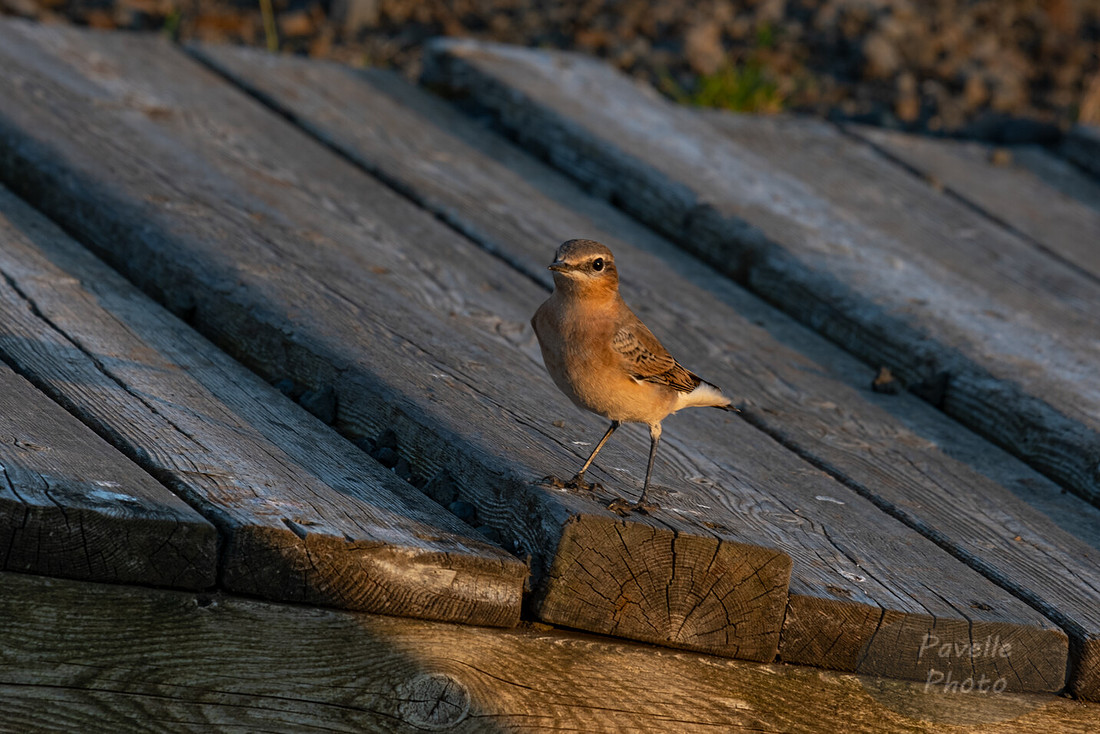
While walking around, I spotted this Northern Wheatear. It was fearless. So much so that I probably could have gotten a lot closer to it.
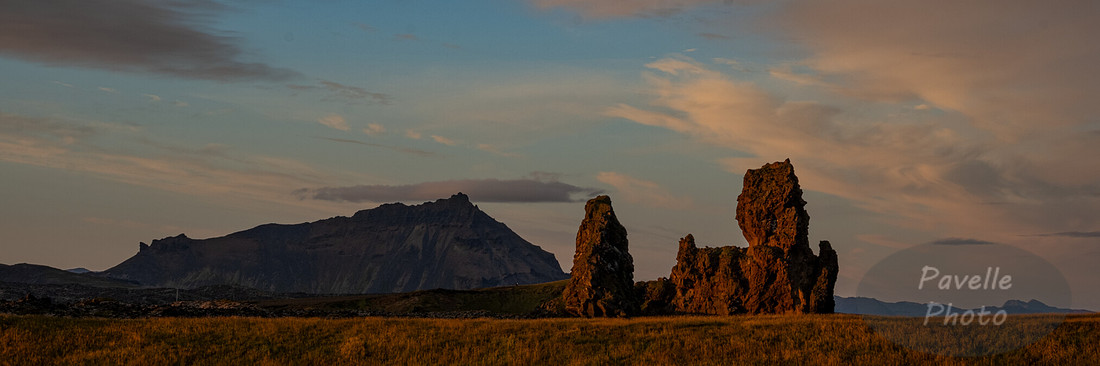
I was fascinated by these rocks. Such interesting shapes and textures.
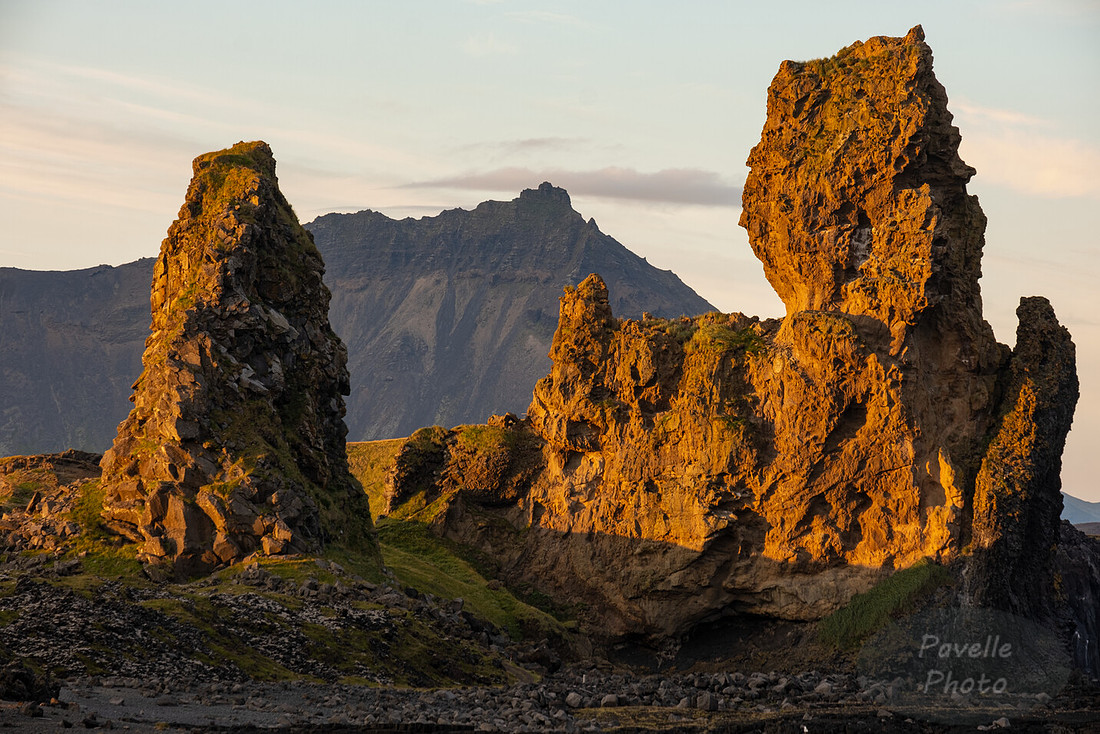
Iceland: Day 1 - Introduction
Day 1: Nothing happened. I arrived in the country, at the hotel, rested, met the people on the workshop. I only included it here to avoid confusing people by starting these posts with Day 2.
So, instead of including photos of Day 1, I'll include some background.
Iceland is a volcanic island. It exists because the North America plate and the Europe plate are moving away from each other. Iceland is the only place where this is above sea level. It compares in two interesting ways to Minnesota. First, it is almost exactly have the size of the state. And, where Minnesota has 10,000+ lakes, Iceland has 10,000+ waterfalls.
Being volcanic, the country gets heat and power from geothermal or hydraulic sources. Interestingly, the water actually needs to be cooled in order to be usable in the home (for washing, bathing, etc.).
It also occurred to me (while standing in line at customs) that, since there is only one airport in Iceland (outside of some airstrip/hanger operations) basically all flights are international.
When trying to read or pronounce place names (and other words in general), the two letters that will throw people off because they don't exist in English are ð (eth) and þ (thorn). Eth is pronounced like the th in father (but things like Google substitute a D when trying to write names/words using the Latin alphabet). Thorn is pronounced like the th in, well, thorn. J is generally pronounced as Y.
I will be including place names in as they appear in Iceland. When a place is known by the English name (like Diamond Beach) I will include both. A lot of the Icelandic names include suffixes that indicate the type of feature it is, which is why I won't include the English name/type. First is -fell/-fjall, which means a mountain or hill or fell. So referring to a place like Kirkjufell as Mount Kirjufell is redundant. Another common one is -foss (waterfall) which means that Kirkjufellfoss could have ended up doubly redundant (Mount Kirkjufell Falls). Some other suffixes are -jökull (glacier), -vik (bay or cove, as in Reykjavik), and -dalur (valley).
Finally, a note on photo processing. I am not skilled enough in Photoshop or Lightroom to add anything to a photo, so everything in the ensuing photos was always part of the photo. I will, however, remove things that shouldn't have been there in the first place. That might include people who wandered into the photo at an inopportune time, distracting item like twigs or garbage or cars, or anything else that detracts from the image. I also don't change colors except through standard settings (like white balance, saturation, etc.) unless you count converting to black and white.